How to Book Your First Gig: Complete Guide for Musicians in 2025
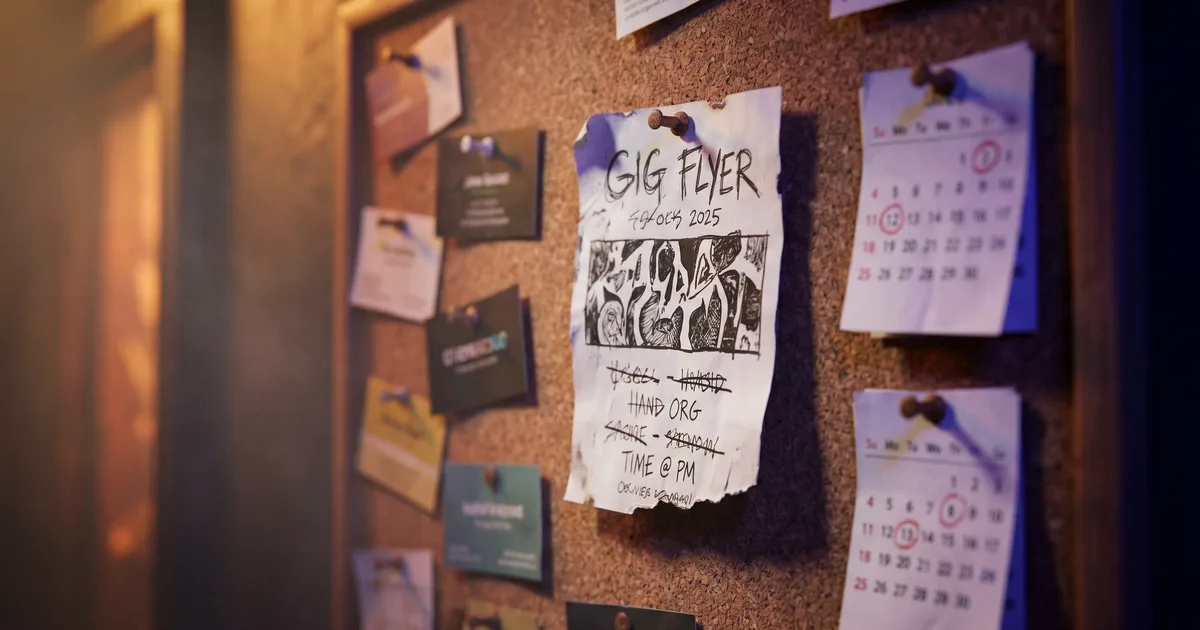
Your first gig will not look like the festival main stage in your head. That is not a failure—that is how almost every band starts. The danger is waiting for a "real" opportunity while you skip the messy, useful first shows that teach you load-in, timing, and how to ask people to show up.
I want you bookable, through show day without avoidable disasters, and into gig two with proof you can point to. Talent helps. Systems and realism help more when you are starting from zero.
Redefine what "first gig success" means
If success means "packed room, great pay, industry in the crowd," you will delay forever or crash emotionally after a thin Tuesday. For a first show, success looks more like this:
- You completed a set of the length you promised
- You started and ended on time
- You treated staff and other bands like professionals
- You captured at least one usable clip or photo
- You know what broke so you can fix it before next time
- Someone who books or plays regularly now knows you exist
A quiet room with a clean set and a thank-you email can lead to better rooms. A chaotic first show with a blown time slot can close a door for a year.
Write that definition down as a band. Align on it before you email anyone. Ego arguments about "we're too good for open mics" waste months you could spend learning the craft of playing out.
Where first gigs actually come from
Cold-emailing the biggest club in town as an unknown headliner is a bad plan. First dates usually come from lower-friction channels:
Open mics and hosted nights — Short slots, low stakes, good for nerves and for meeting other musicians who already have bills.
Support / opener slots — Friends' releases, label showcases, and local packages often need openers who will actually promote. Ask bands one tier ahead of you, not arena acts.
Community rooms and DIY spaces — All-ages rooms, art spaces, breweries with stages, coffee shops with evenings, libraries and campus venues. They care more about reliability than your SoundCloud chart position.
School, workplace, and community calendars — Talent nights, fundraisers, markets. Not glamorous. Excellent practice for PA, set length, and talking to strangers.
House shows and backyard bills — Scene-dependent, but real. Respect neighbors, capacity, and safety. Treat them as professional as a club date.
Walk your city. Note rooms with live music posters. Follow local promoters. Go to shows as a fan before you ask for a slot—people book people they have seen behave well in the room.
When you are ready to grow past first shows, the how to book more gigs playbook is the next layer.
Get bookable before you send the ask
"We're a band and we want a gig" is not a pitch. Before outreach, make the minimum kit:
A tight set — Twenty-five to forty minutes of songs you can play under pressure, including a clear start and end. Practice transitions. Dead air kills first impressions.
Online presence that is not embarrassing — One place (link-in-bio or simple page) with music, a photo, and a contact email that you check. Broken links scream amateur.
A short bio — Three to five sentences: who the band is, your home turf, your sound, and what you are asking for (first shows / supports).
Something to hear or watch — Studio track is fine. Live clip is better when you have one. Phone video with decent audio beats silence.
You do not need a full Hollywood EPK on day one, but you should be able to send one link that answers "what is this?" in under a minute. Expand the kit as you get proof.
Agree inside the band on availability. Nothing burns a first opportunity like confirming a date and then discovering the bassist is out of town.
How to ask without sounding entitled
Bookers and band leaders hear a lot of "give us a show." Soften the ask and make it easy to say yes.
Email or DM structure:
- Who you are (name + city + one-line sound)
- Proof you are real (link)
- Why them (you went to a night, you like a specific bill, mutual friend)
- Clear ask (opener, open mic, specific month)
- Flexibility (weekday ok, short set ok)
Example tone—not a script to paste blindly:
"Hi Name—we're Band, a genre group based in city. We've been playing tight 30-minute sets and looking for a first / early support slot this spring. Here's a short link with music and a live clip: link. Happy to open, play mid-week, and promote hard to our list. Any nights you still need a local?"
If you are asking another band, offer value: share the bill graphic, bring bodies, help load, do not eat their green room snacks like a raccoon.
Do not demand guarantees for your first club date. Do not insult the room size. Do not send ten follow-ups in three days. For fuller outreach habits, see music venue outreach.
Advance even the tiny rooms
"Advance" means confirming the boring details so show day is not a negotiation in the parking lot. Even a coffee shop gig deserves a short checklist:
- Date, set time, and set length
- Load-in and soundcheck (or lack of soundcheck)
- Backline: what they provide vs what you bring
- Parking and entrance for gear
- Pay or door deal (even if pay is $0—know it in advance)
- Merch table yes/no and who takes cash/card
- Guest list policy if any
- Who is the day-of contact and their number
Put answers in a shared note. If something is vague, ask once more in writing. Verbal "we'll figure it out" is how you discover there is no DI and one vocal mic.
If you are brand new, over-prepare cables, adapters, and a spare instrument cable. Tiny rooms have tiny inventories.
Show-day checklist for beginners
Morning of:
- Confirm setlist length against the slot you were given
- Pack spares: strings, sticks, batteries, cables, picks, phone charger
- Water, snacks that will not destroy your voice
- Merch and a way to take payment if you sell anything
- One person assigned to film a song (friend with a phone on a stable surface is fine)
At the venue:
- Arrive when you said you would—early is professional, late is a story people retell
- Introduce yourselves to the sound person and the other bands
- Keep your footprint small during changeover
- Play your length. If they say twenty-five, do not stretch to forty
- Say thanks from the stage without a five-minute speech
After you play:
- Help clear the stage fast
- Settle any pay without drama
- Get the filmer's footage that night, not "sometime"
- Thank the buyer and house before you leave
Nerves are normal. Unpreparedness looks like nerves and is optional.
For how the set itself should flow once you have more shows under your belt, bookmark band setlist planning.
Invite humans like a person
Posting a flyer once is not promotion. First-gig crowds come from personal asks.
Make a street list: friends, coworkers, family, scene acquaintances, the barista who likes your genre. Assign each band member twenty personal messages—not a group blast that feels like spam. Tell people the time, the door cost, and why this one matters ("our first official show").
Ask for a soft commitment: "Can you make 8pm Friday?" Track yes / maybe / no so you know if you need a second wave of invites midweek.
On socials, post more than once: announce, remind, day-of story, thank-you after. Tag the venue. Share other bands on the bill—you are teammates that night.
Do not promise the room will be full if you have not done the work. Bookers notice when bands hype online and deliver empty floors.
After the show: follow-up is the real encore
The night ends. The career bit continues the next morning.
Within 24–48 hours:
- Text or email the booker: thanks, specific compliment, link to a clip if ready
- Thank the other bands and follow them if you do not already
- Note what went wrong in a calm band debrief (timing, monitor mess, late arrival, dead song)
- Save contacts in one place so gig two is easier
Within a week:
- Pitch five new appropriate rooms or hosts using your new proof
- Fix the kit (better photo, better clip, updated bio)
- Put the next booking session on the calendar so momentum does not die
Gig one is permission to be a beginner. Gig two is where habits form. If you want a fuller calendar system after that first win, use the booking gigs topic hub and the denser book more gigs guide.
Still assembling the band itself? Pair this with so you want to start a band. When coordination between members is chaos, Bandmate can hold profiles, assets, and planning in one place—but nobody books your first show for you while you refuse to send the email.
FAQ
How good do we need to be before booking a first gig?
Good enough to deliver the set length you promise without falling apart, and professional enough to respect time and staff. Perfection is not required; reliability is.
Should our first show be original music only?
Play what you can perform well. Many first rooms accept a mix. If the night is covers-focused, know the room rules. If you are all-original, say so and keep the set tight.
What if nobody replies to our emails?
Widen to open mics, friends' bills, and community rooms. Improve the link you send. Ask in person after shows. Silence often means wrong tier or weak assets—not a permanent ban.
How do we handle stage fright?
Rehearse the open and close until they are automatic. Play a private "show" for friends first. Limit caffeine if it spikes anxiety. Remember: most of the room wants you to succeed.
Is it okay to play for free the first time?
Often yes, if the room is strategic and costs are low. Know the deal before you load in. Free should still come with respect, a time slot, and a chance to gather proof.
Related guides

Founder of Bandmate ®, entrepreneur, and musician helping bands succeed in the modern music industry.
How to Book More Gigs for Your Band in 2025
Most bands that "can't get gigs" are not unlucky—they are inconsistent. They send a handful of emails when inspired, wait two months, then decide the scene is closed. Busy local acts treat booking like a job: calendar blocks, a living venue list, and follow-up. This guide is that system.
How to Keep Band Finances Organized: A Simple System That Actually Works
Band finances get chaotic fast. Five gigs at three different venues, each paying differently, each paying late, each with its own split agreement with the band. Plus merch sales from the last two shows. Plus the studio invoice from three months ago that's still unpaid. Plus the rehearsal room rental. Plus the van registration. Most bands just stop tracking and hope it works out at tax time. It doesn't.
Subscribe to our newsletter
Get the latest news and updates.
No spam. Unsubscribe anytime.