Learn from the Legends: Tips for a Stellar Live Concert Experience
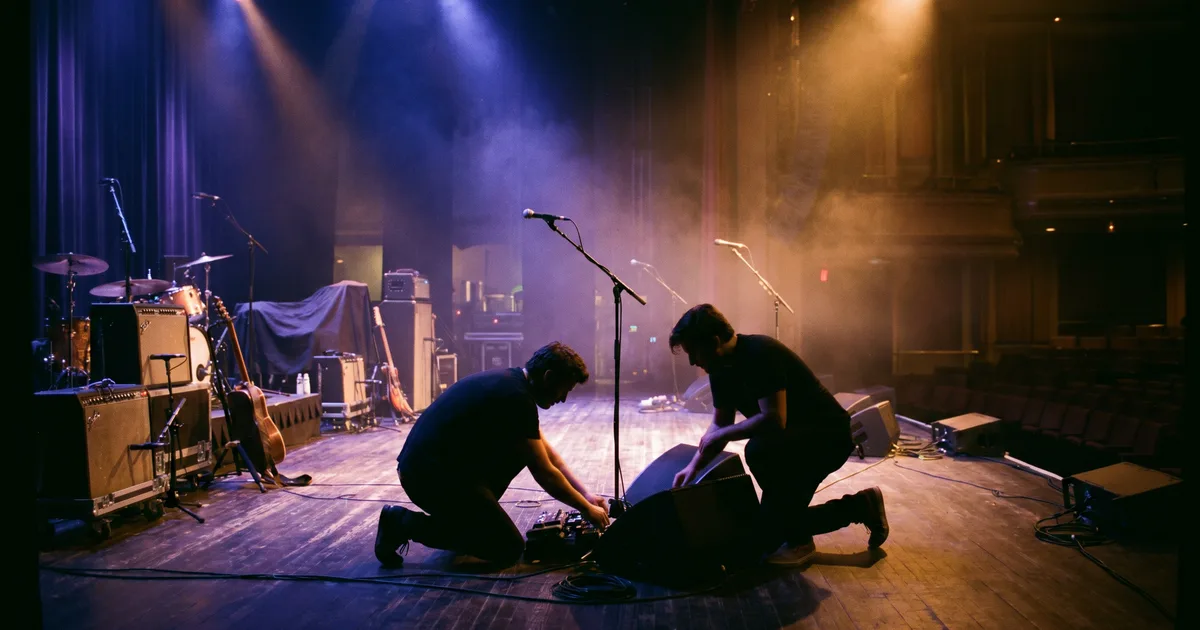
I have spent years studying what makes legendary live performances unforgettable—from marathon heartland shows to precision stadium craft. The difference between good and legendary is rarely "more notes." It is intention: pacing, presence, preparation, and obsession with the audience experience.
You do not need a legend's budget to steal legend habits.
Lesson 1: They treat the set as theater with music inside
Great live acts design arcs. Openings establish authority. Middles breathe. Finales feel inevitable. Club bands can copy the shape even with a 40-minute slot. Full playbook: setlist planning and 5 strategies to elevate your show.
Steal this
Name the emotional job of each song: ignite, bond, lift, release, send-home. If three songs in a row share the same job, reorder.
Lesson 2: Presence is a skill, not a personality type
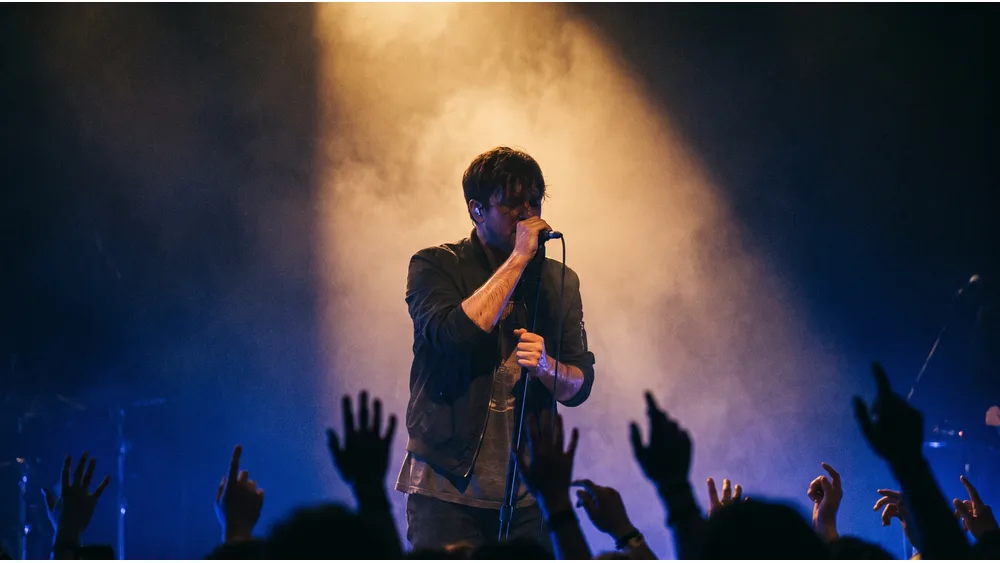
Legends look comfortable because they trained comfort: eye lines, stillness when stillness hits harder than constant motion, and mic technique that makes lyrics land. Presence is rehearsable.
Practice on video. It is humbling and faster than guessing.
Lesson 3: Preparation is invisible when it works
Soundchecks, backups, stage plots, setlist copies, hydrated voices, tuned spares—none of that is glamorous. All of it prevents the amateur tells audiences feel even if they cannot name them. Read soundcheck guide and stage mishaps.
Lesson 4: They listen to the room
Legends adjust. If a ballad is dying, they cut. If a groove is exploding, they extend. That requires a band language for live calls and enough arrangement control to pivot. Rehearse "skip to X" and "repeat chorus" signals.
Lesson 5: Connection beats perfection
Audiences forgive a clam if they believe you. They do not forgive contempt, boredom, or a band that never looks up. Talk sparingly but honestly. Thank staff. Make the back of the room feel included.
Lesson 6: Iconic moments are designed
The big sing-along, the hard drop, the monologue, the guest—those are planned. Build one signature moment per set and protect it.
Lesson 7: Work ethic after the applause
Legends (and durable working acts) capture content, thank buyers, note what worked, and rebook. The show is also a marketing asset. Contacts: manage band contacts. Ops: Bandmate.
Club-stage translation table
| Legend habit | Club translation |
|---|---|
| Massive production | One lighting or visual cue you control |
| Long show pacing | 40-minute arc with one valley |
| Pyro peak | Arrangement peak + crowd cue |
| Huge crew | Clear role per member |
| Corporate polish | Professional courtesy to staff |
Practice plan for the next 14 days
- Film a full rehearsal set
- Rebuild order using energy labels
- Assign talk cues
- Add one signature moment
- Run failure drills (cable, feedback, forgotten lyric)
- Play a show and review video within 48 hours
FAQ
Can small bands really learn from stadium acts?
Yes—steal principles of pacing and presence, not budgets.
How much should we talk on mic?
Less than you think. Short, useful, human. Let songs do the heavy lifting.
What if we freeze when something goes wrong?
Pre-assign recovery jobs and practice them. Panic is usually untrained.
Related guides
Founder of Bandmate ®, entrepreneur, and musician helping bands succeed in the modern music industry.
How to Write a Musician Wanted Ad That Actually Works
Most “musician wanted” ads fail because they are vague. “Need cool drummer, influences everything, no egos” attracts noise. A good ad is a filter: it repels the wrong people and makes the right people feel seen.
Local Music Networking: How to Build a Scene Without Being Fake
Networking gets a bad reputation because people confuse it with collecting contacts like Pokémon. Real scene networking is simpler: be useful, be present, follow up, and keep score of relationships—not business cards.
Subscribe to our newsletter
Get the latest news and updates.
No spam. Unsubscribe anytime.