Band Social Media Strategy: Complete Guide for 2025
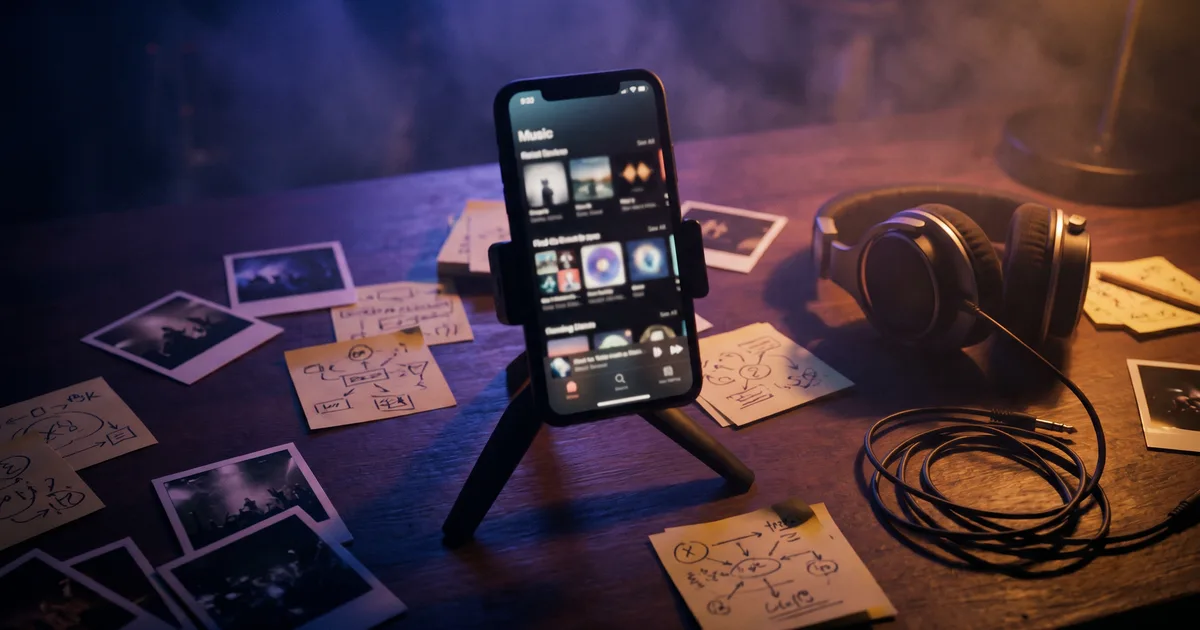
Venues still open Instagram before they open your email. If the grid looks dead, the pitch feels riskier—even when the music is strong. Social is not decoration; it is public proof that your band is active, bookable, and worth a room.
This guide is a working strategy, not a content treadmill. You will assign platforms real jobs, pick pillars you can film without a film crew, set a cadence musicians can survive, and measure signals that actually change decisions.
Give each platform a job
Most bands fail social because they try to “be everywhere.” That creates half-finished profiles and zero consistency. Pick primary surfaces and secondary ones, then define the job of each.
Discovery platforms (often Instagram, TikTok, short-form YouTube): introduce strangers to your sound in under fifteen seconds. Lead with hooks, live energy, and visual identity—not only polished promo stills.
Relationship platforms (Stories, community posts, Discord if you have one, Facebook groups for older local scenes): deepen connection with people who already care. These are for backstage clips, Q&A, show-day logistics, and human texture.
Conversion surfaces (bio link, site, email list, ticket pages): move attention into owned channels. Social should feed something you control. Algorithm favor is rented; a list and a site are closer to owned real estate.
Optional / archival (YouTube long-form, Facebook page, X): keep them if they serve a real audience or SEO path. Do not invent weekly obligations for platforms nobody in your scene uses.
Write a one-line job for every account you keep. If you cannot write the job, archive or freeze the account rather than diluting the brand.
Build content pillars that do not rot
Random posting burns people out. Pillars give you a menu so you never stare at a blank camera wondering what to film.
Aim for four to five pillars you can rotate:
- The hook — strongest 8–20 seconds of a song, studio or live, captioned with title and next action.
- Process — writing, arranging, gear, vocal warmups, “how we built this bridge.” Fans love craft; it also teaches bookers you are serious.
- Show life — load-in, crowd, setlist board, aftermath, thank-you to co-bills. This is booking optics gold.
- Human — who you are without the stage fog. Short, honest, not forced “personality content.”
- Offer — tickets, pre-saves, merch drops, list signup, new single. Do not hide the ask; bury it and you train people not to convert.
Pillars fail when they become corporate. Keep language like you talk at practice. Film vertical by default. Prefer one clear audio source over three competing ones. Text on screen for silent scrollers.
Batch-plan pillars for two weeks at a time. If a pillar never gets filmed, kill it. Dead pillars are guilt; working pillars are inventory.
Set a cadence musicians can actually keep
Daily posting advice assumes someone is paid to be a content machine. Most bands are not. Sustainable cadence beats heroic streaks that collapse after release week.
A realistic independent cadence:
- 3–5 short-form posts per week on your discovery platform
- Stories most days you rehearse or play (low pressure, high continuity)
- 1–2 longer or static posts per week (show flyer, photo, announcement)
- Engagement block 20–30 minutes, 4–5 days a week: reply, comment on co-bills, thank tags
Protect one weekly batch session: film multiple hooks, B-roll, and talking heads in one hour. Edit in a second short block. Schedule with a tool if that prevents “we forgot to post.” See our social media scheduling tools resource when you are ready to systemize without living in the apps.
Rules that keep cadence honest:
- Never invent content debt you cannot pay after a tour or album cycle.
- Release weeks get denser posts; rest weeks get lighter pillars, not silence for a month.
- One owner can override perfectionism. Ship the good-enough clip.
Make booking optics obvious in thirty seconds
Bookers and agents scan fast. They want recent activity, music proof, and signs real humans care.
Audit your main profile monthly:
- Recent posts within the last 1–2 weeks (not a three-month gap)
- Music audible in the first three pieces of content
- Live proof (crowd, stage, multi-camera phone is fine)
- Real comments and replies (not only bot spam)
- Pinned posts with best song, next show or latest release, and press/EPK link
- Bio with city, genre cue, and one clear link destination
If your feed is only memes and no music, you look like a lifestyle brand, not a band. If it is only black-and-white portraits with no dates, you look inactive.
Align social with your press kit and site. Same name spelling, same photos, same story. Inconsistency reads as amateur even when the songs are not.
Grow without scams and empty metrics
Fake followers, engagement pods that look robotic, and “playlist promo” that buys streams will not help you book a better room. They train you to chase vanity while real fans never show up.
Growth that compounds:
- Co-bill content — tag partners; share stories the night of the show
- Collab clips — features, covers with credit, local creator duets when tasteful
- Consistent tagging of venues, cities, and song titles
- Live clips the next morning while the show is still warm
- Community replies that turn lurkers into regulars
Avoid:
- Buying followers or engagement
- Mass DMs that read like spam
- Contests that attract freebie hunters with no musical interest
- Hijacking trends that contradict your identity just for reach
Local density often matters more than global vanity. Two hundred people in your city who come to shows beat twenty thousand silent accounts in markets you will never tour.
Use analytics that earn decisions
Metrics without decisions are hobby dashboards. Pick a small set and review monthly.
Quality signals
- Saves and shares (people value the clip enough to keep it)
- Average watch time / completion on short-form
- Profile visits and link clicks
- Ticket link CTR during show campaigns
- Email or SMS list growth attributed to social
Secondary signals
- Follower growth rate (direction, not obsession)
- Reach (useful when paired with conversion)
- Story replies and DMs about shows
Ignore or de-emphasize
- Vanity spikes with no saves, no follows, no tickets
- Comparing yourself to national acts with full teams
For each campaign (single, show, tour), write one primary KPI before you post. After two weeks, note what worked in a shared doc. Next campaign starts smarter without reinventing the wheel.
Assign roles so social does not burn one person out
Social dies when “everyone is responsible,” which means nobody is. Chart roles even in a three-piece.
Typical split:
| Role | Owns |
|---|---|
| Capture | Films practice, shows, hooks |
| Edit | Cuts vertical, captions, subtitles |
| Post / schedule | Publishes on time, pins, bio updates |
| Community | Replies, tags, co-bill thank-yous |
| Review | Monthly metrics and campaign notes |
Rotate if needed, but keep a single final decision-maker on brand tone so the account does not feel like five different bands. Tools like Bandmate help when the bottleneck is shared calendars, tasks, and “who was supposed to post the flyer”—they cannot replace taste or a phone with a charged battery.
Brand basics on a budget
You do not need a rebrand agency. You need consistency.
- Handles as close to the band name as possible across platforms
- Avatar readable at tiny size (logo or clear face, not a muddy full-stage shot)
- Cover / header with current visual identity
- Thumbnail style that repeats (font, color, frame) so the grid coheres
- Bio link to one hub: site, Linktree-style page, or Bandmate bio—not five competing URLs in the bio text
- Website as the long-term home; social is the hallway. Pair this strategy with essential website elements when the link destination is weak.
Spend first dollars on better phone audio accessories, a simple light, and one solid photo set—not on animation packs nobody watches.
Thirty-day starter plan
Week 1: Platform jobs written, dead accounts frozen, bio and pins fixed, pillars chosen.
Week 2: Batch-film ten short clips; schedule two weeks; define next show or release CTA.
Week 3: Engagement habit locked; co-bill and venue tags active; story cadence daily when possible.
Week 4: Review analytics; kill weak pillars; double down on formats with saves and ticket clicks; document roles.
After thirty days you should have proof of system: recent music-forward content, clearer booking optics, and a rhythm that does not require heroic willpower.
FAQ
How many platforms does a working band actually need?
Usually one discovery platform done well, Stories for continuity, and a conversion link to owned channels. Add platforms only when a real audience already lives there or a specific campaign justifies the extra work.
What should we post if we have no upcoming shows?
Process, hooks, covers with intent, studio updates, and list-building offers. Silence trains algorithms and bookers to forget you. Activity without a show still signals a living project.
How polished does content need to be?
Clear audio and readable framing beat cinematic emptiness. Fans and bookers forgive phone video; they do not forgive months of inactivity or unreadable flyers.
Should every member post from personal accounts?
Personal amplification helps when it feels natural. Align key announcements so members share the same link and dates. Do not force every member into daily creator mode if it breeds resentment.
When do we hire a social media person?
After you have pillars, assets, and a cadence that already works. Hire to multiply a system—not to invent one from nothing while the band still cannot decide which song is the lead single.
Related guides
Founder of Bandmate ®, entrepreneur, and musician helping bands succeed in the modern music industry.
How to Create the Perfect Band Setlist in 2025
Bad setlists kill great performances. I've watched technically proficient bands lose rooms completely because they structured their set terribly—playing all their best songs first, then wondering why energy died halfway through. After producing countless shows and seeing what works versus what fails, I know that setlist creation is both strategic and musical. Talent gets you on stage. Song order decides whether people stay, tip, and come back.
Band Task Management: How to Actually Get Things Done as a Band
Bands are small businesses that don't act like it. Every working band has a hundred moving pieces at any given moment — confirming a gig, printing merch, updating the website, sending the venue a tech rider, recording next month's content, picking up the new bass strings, replying to the podcast that wants an interview, paying the studio invoice. Without a task system, half of these things fall through the cracks every month, and the band operates in a constant state of mild emergency.
Subscribe to our newsletter
Get the latest news and updates.
No spam. Unsubscribe anytime.