How to Create the Perfect Band Setlist in 2025
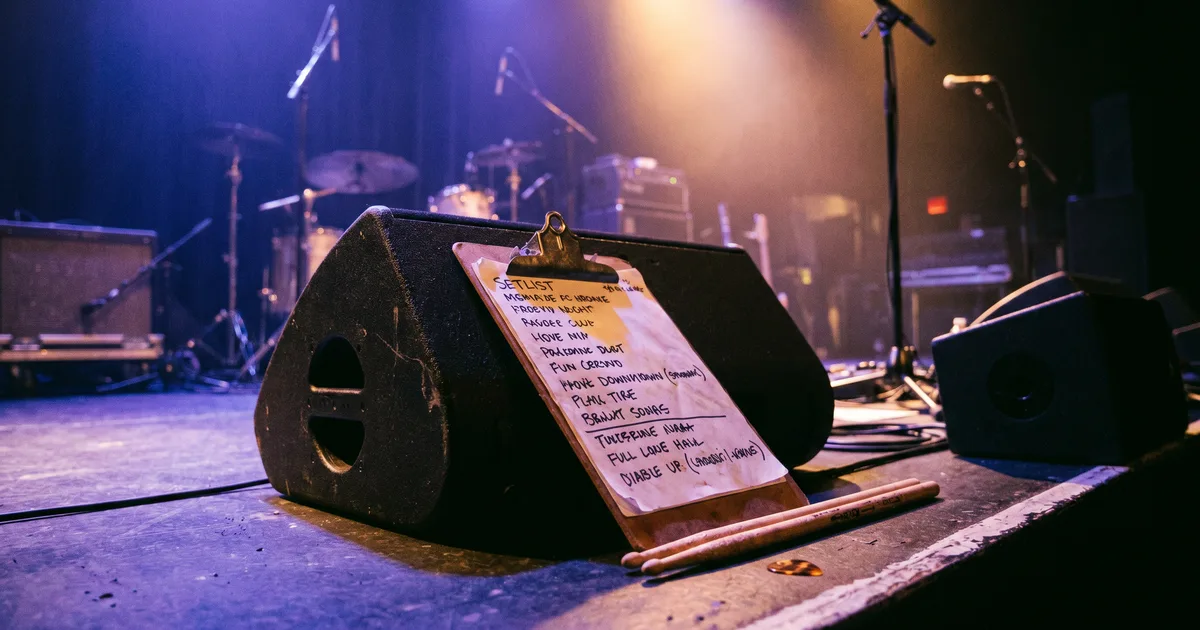
Bad setlists kill great performances. I've watched technically proficient bands lose rooms completely because they structured their set terribly—playing all their best songs first, then wondering why energy died halfway through. After producing countless shows and seeing what works versus what fails, I know that setlist creation is both strategic and musical. Talent gets you on stage. Song order decides whether people stay, tip, and come back.
Why setlist structure matters more than you think
A setlist is not a song dump. It is a story arc with tension, release, and intentional peaks. Crowds do not experience your catalog the way you do in rehearsal—they experience flow. When flow breaks (three ballads in a row, a deep cut after a cold open, or a tempo wall of identical mid-tempo rockers), phones come out and the room cools even if every song is “good.”
Think about energy as a wave you are deliberately creating. Open strong but not with your absolute best song—you need something energetic and confident that grabs attention immediately, but save peak moments for later. Build through varied tempos and dynamics instead of playing everything at the same intensity. The worst mistake bands make is front-loading all their hits then limping through unfamiliar material while audiences check phones. Strategic placement matters enormously—position a standout song about two-thirds through the set when audiences are warmed up and invested but before fatigue sets in.
Map your material before you order songs
Before you rearrange the order, inventory what you actually have:
- A-tier openers — confident, tight, recognizable within 15 seconds
- Peak songs — your best hooks; save 1–2 for late-middle and closer territory
- Breathing songs — mid-tempo or dynamic drops that reset ears without killing the room
- Deep cuts / experiments — only after you own the room
- Clutch closers — high energy, easy sing-along, or signature ending
If you do not have enough A-tier material for the show type, shorten the set. A tight 35-minute set that hits hard beats a 75-minute set that sags.
Build the energy arc (opener → peak → close)
A reliable default shape for a 45–60 minute set:
- Open (songs 1–2): Immediate confidence. Clear downbeat, strong vocal, minimal talking.
- Establish (songs 3–5): Identity songs—what you sound like, who you are.
- First peak (around 25–40% in): A known favorite or biggest reaction track so far.
- Valley (mid set): One slower or dynamic song so the next lift lands harder.
- Climb (late middle): Stack stronger material; this is where most people decide to stay or leave.
- Climax (final 2–3 songs): Your best songs. No new risks unless you have a killer encore plan.
- Optional encore: Only if the room earns it and you have a true closer left.
Vary tempos deliberately. Do not cluster all fast songs together or all slow songs consecutively. Alternate energy levels to create natural breathing room—a slower song mid-set gives both audience and your vocalist a break before building back up. The goal is sustained engagement, not relentless assault. Think roller coaster, not sustained sprint.
Adjust the set to the show type
One setlist does not fit every booking. Context changes everything.
Opening for another band
You have 25–45 minutes and a crowd that did not come for you. Put best material early. Cut deep cuts. Minimize between-song chatter. Your job is conversion, not a full artistic statement. Pair this with smart gig booking and a clean EPK so the next room books you on purpose.
Headlining your own show
You can take more risk mid-set because the room showed up for you. Use breathing songs, stories, and deeper cuts—but still protect the last third of the night. Headlining is where setlist craft separates pros from “we just play our album in order.”
Festival slot
Immediate impact is everything. You are competing with food lines, other stages, and short attention spans. Play only strongest, most accessible material. Arrive early, load smart, and treat the set like a high-stakes demo. See our full music festival booking guide for how to win the slot before you ever hit the stage.
Club residencies and weekly gigs
Rotate 20–30% of the set so regulars hear something new, but keep proven openers/closers stable. Document which songs get movement, tips, and rebook requests.
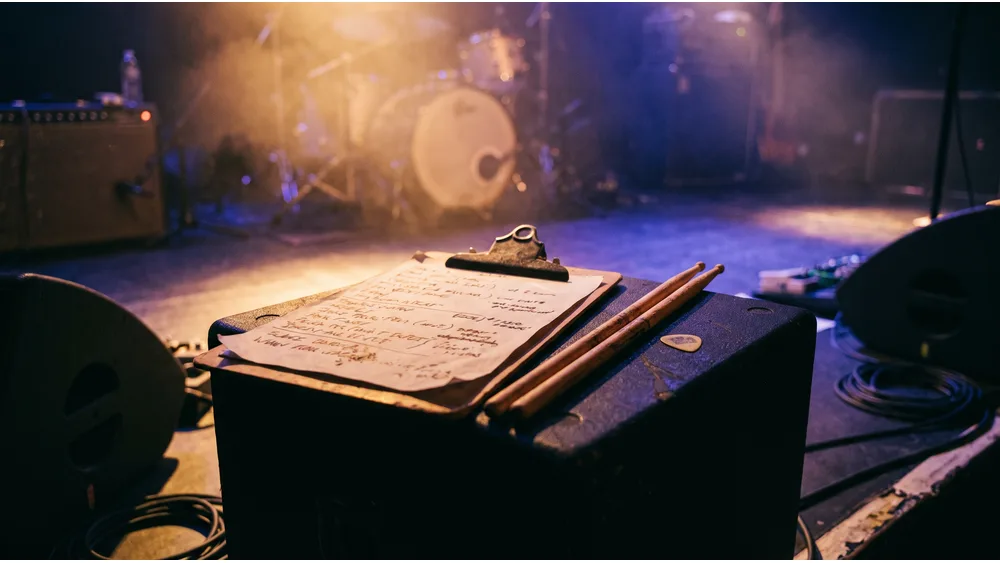
Transitions, keys, and talking (the glue)
Great setlists fail on bad transitions. Plan:
- Key/tempo flow so gear changes and count-ins stay clean
- Who talks when (one mic person, short cues, no meeting-on-stage)
- Instrument swaps with a musical bed or intentional silence—not dead air
- Medleys or segues only if rehearsed; half-baked segues feel messier than clean stops
If you need time for a guitar change, put a known mid-tempo song next or use a 15-second story that earns the wait. Unplanned silence is where rooms leak energy.
Read the room and stay flexible
Printed setlists are plans, not contracts. If energy is sagging, skip that slow song and jump to something upbeat. If the room is locked into a vibe, extend it instead of forcing a pivot. The best performers adapt in real time. Have backups for technical failure—acoustic versions, alternate instruments, or a short banter lane that keeps attention when gear fails.
After every show, mark the setlist:
- Songs that moved the room
- Songs that killed momentum
- Moments where talking helped or hurt
- Changes you made live and whether they worked
That feedback loop is how average bands get professional.
A practical setlist template you can copy
45-minute club set (example shape):
- Strong mid-tempo opener (identity)
- Faster, hooky song (first lift)
- Fan-friendly single
- Dynamic mid song (breath)
- Deep-but-tight original or cover people know
- Peak single
- Story + emotional ballad (only one)
- High-energy climber
- Best song / signature track
- Closest thing you have to an anthem
Swap covers/originals based on market, but keep the shape.
Common setlist mistakes
- Opening with a brand-new song nobody knows
- Three ballads in a row “because the album order is that way”
- Saving every hit for an encore that never happens
- Ten minutes of tuning and “how’s everyone doing?” between songs
- Different members calling audible changes without a signal system
- Never documenting what worked across venues
Tools and organization
Managing setlists—tracking which songs work where, documenting audience response, coordinating transitions, maintaining versions for openers vs headliners, sharing updates when the order changes—creates ongoing organizational drag. Keep a single source of truth for:
- Current setlists by show type
- Song keys, tempos, and who starts each tune
- Notes from past venues
- “Do not play” lists for broken arrangements
Bandmate helps centralize band ops so the whole group always has the current setlist and show notes—not five conflicting texts the night before load-in. Pair that with setlist apps and tools if you want stage-display options, and rehearsal planning so new orders get practiced before they go public.
FAQ
How many songs should be in a 45-minute set?
Usually 9–12 depending on average song length and talking. Time a full run with realistic gaps; most bands underestimate dead air.
Should we play covers or originals first?
For cold rooms and openers, lead with material that lands in 10 seconds—often a known cover or your most accessible original. For headliners with a draw, originals can lead if they hit hard.
How often should we change the setlist?
Change enough to stay sharp (weekly residencies: rotate a few songs), but keep a stable spine of openers/closers that consistently work. Change everything every show and you never learn what actually converts.
Where do we put ballads?
One intentional valley mid-set is usually enough. Multiple ballads need a clear climb after each drop or the room will not recover.
A great setlist elevates good performances into memorable ones. Thoughtful song order is one of the cheapest professional upgrades a band can make—no new gear required, just discipline and a plan.
Related guides

Founder of Bandmate ®, entrepreneur, and musician helping bands succeed in the modern music industry.
Band Rehearsal Space: How to Find, Share, and Not Get Evicted
Bands die in bad rehearsal situations: noise complaints, stolen gear, mystery locks, and rooms so expensive nobody practices. Treat rehearsal logistics as part of the business, not an afterthought.
Band Social Media Strategy: Complete Guide for 2025
Venues still open Instagram before they open your email. If the grid looks dead, the pitch feels riskier—even when the music is strong. Social is not decoration; it is public proof that your band is active, bookable, and worth a room.
Subscribe to our newsletter
Get the latest news and updates.
No spam. Unsubscribe anytime.