Mastering the Art of the Perfect Soundcheck: A Comprehensive Guide for Bands
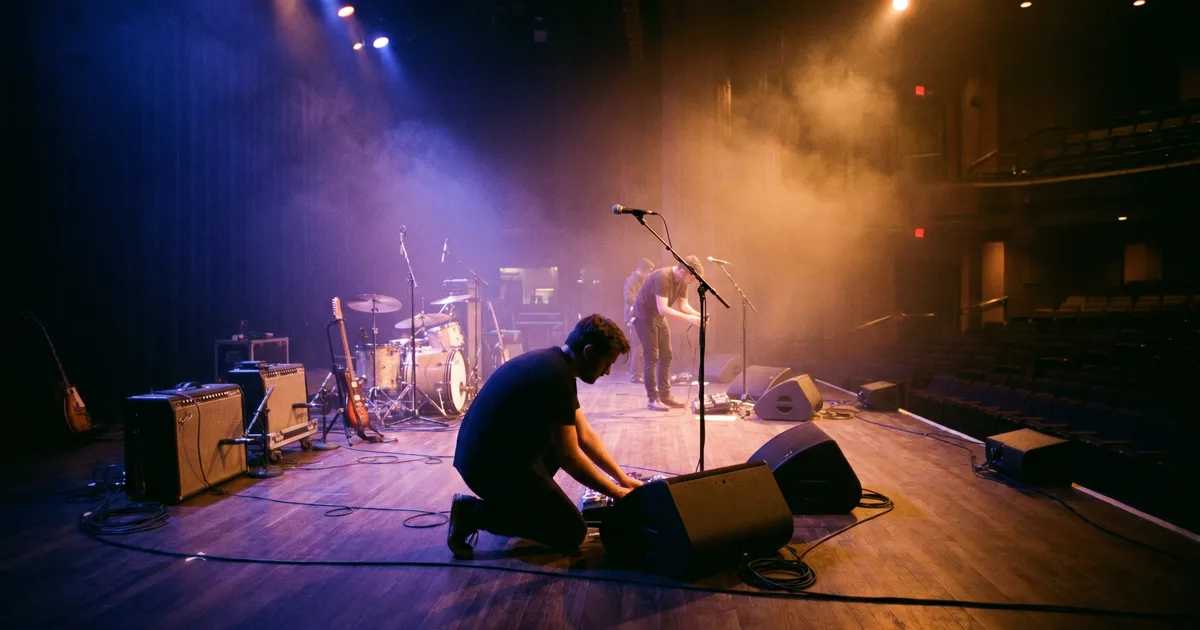
I'll never forget watching a talented band completely bomb a show because they rushed their soundcheck. The music was great, but nobody could hear the vocals, the bass was muddy, and the drummer couldn't hear anyone. After managing hundreds of live performances, I can tell you with certainty: your soundcheck determines your show's success more than almost anything else.
Here's what most bands get wrong—they treat soundcheck like a formality instead of the critical preparation it actually is. The soundcheck isn't about quickly running through songs. It's about building the sonic foundation that lets your music shine. When done right, you'll walk on stage confident that every note will reach the audience exactly as intended.
Arrive early. Seriously, this alone solves half your soundcheck problems. When you're rushing, you make poor decisions, miss issues, and stress out the sound engineer who's trying to help you. I recommend arriving at least 30 minutes before your scheduled soundcheck time. Use those minutes to set up deliberately, get your gear in order, and mentally prepare.
Start with individual instrument checks, not the full band. The sound engineer needs to hear each element in isolation—drums first, then bass, guitars, keys, and finally vocals. This methodical approach identifies problems at the source before they compound in the full mix. Be patient during this phase. Each instrument getting dialed in properly saves massive headaches later.
Once individual sounds are set, run a complete song at performance volume. Not rehearsal volume—actual show volume. This reveals how everything meshes together and exposes issues that only appear in a full mix. Choose a song that represents your dynamic range, not just your loudest or quietest material.

Communication with your sound engineer is everything. They can't read your mind. If you can't hear yourself in the monitor, speak up immediately. Use specific language: "I need more vocals in my monitor" works better than "something sounds weird." Building rapport with engineers makes every soundcheck smoother and often gets you better treatment throughout the night.
Monitor mixes deserve as much attention as the front-of-house sound. You might sound amazing to the audience but if you can't hear each other on stage, your performance suffers. Every band member should clearly communicate their monitor preferences. Some need more vocals, others focus on rhythm section—everyone's different, and that's fine.
Respect time limits religiously. If you're allocated 20 minutes, use 18. Going over time creates enemies—with the venue, the sound engineer, and other bands on the bill. Efficiency during soundcheck signals professionalism and often earns you goodwill that pays off when you need a favor later.
Managing soundcheck schedules across multiple venues, coordinating load-in times with band member availability, and keeping everyone informed of technical requirements—this administrative layer drowns many bands. Bandmate.co handles exactly this kind of complexity, centralizing schedules, communication, and venue details so you can focus on delivering the perfect soundcheck and killer performance every single time.

Founder of Bandmate ®, entrepreneur, and musician helping bands succeed in the modern music industry.
Mastering the Art of Crafting Your Unique Indie Sound
Every indie band I've worked with asks the same question: "How do we sound different?" After years producing and managing artists, I've learned that your unique sound isn't something you invent—it's something you discover by being genuinely yourself instead of mimicking what's working for others.
How to Get Your Band Booked at Music Festivals in 2025
Festival slots are competitive—and a good one can change a band’s trajectory faster than a dozen poorly matched club dates. After helping acts secure festival bookings and watching which approaches work versus which waste a year, I have learned success comes down to realistic targeting, professional materials, early applications, and promotion after you get the slot.
Subscribe to our newsletter
Get the latest news and updates.
No spam. Unsubscribe anytime.