Mastering the Art of Crafting Your Unique Indie Sound
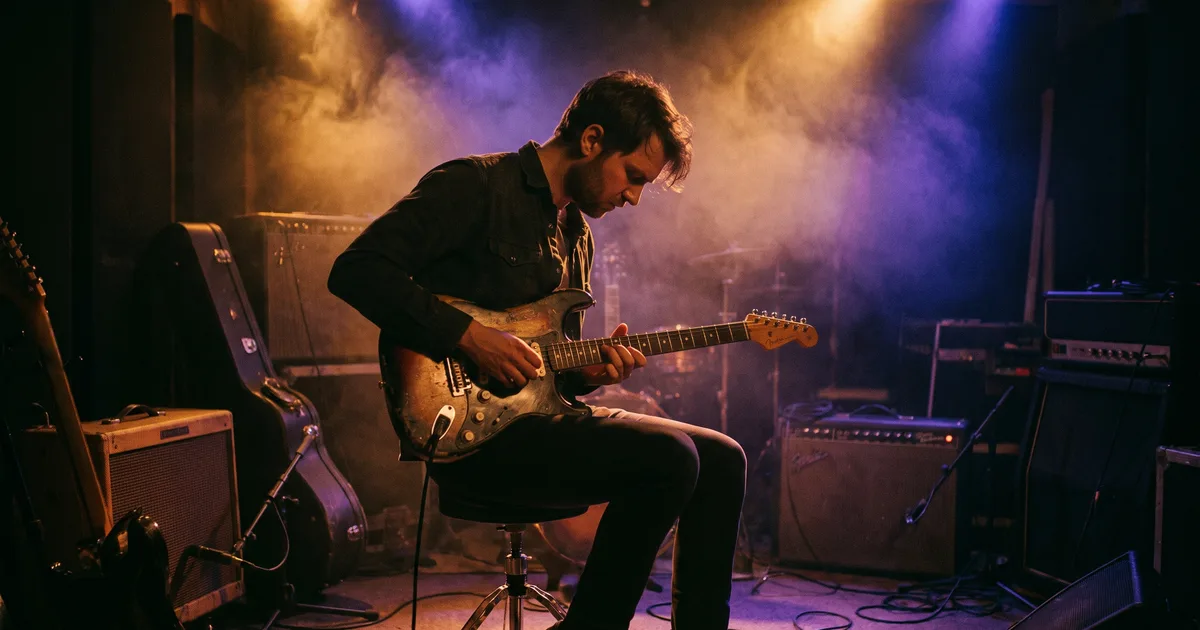
Every indie band I've worked with asks the same question: "How do we sound different?" After years producing and managing artists, I've learned that your unique sound isn't something you invent—it's something you discover by being genuinely yourself instead of mimicking what's working for others.
Start with your actual story and experiences, not what you think people want to hear. The most distinctive sounds come from artists writing about their specific lives—their weird hometown, their particular heartbreak, their actual day job frustrations. When you prioritize authentic storytelling over mass appeal, you stumble into originality naturally. Generic love songs about nothing specific sound like everyone else. Songs about your uncle's hardware store or your sister's wedding disaster sound like only you.
Experiment fearlessly with sounds that excite you personally, even if they seem unmarketable. Try that weird instrument you found at a thrift store. Layer sounds that theoretically shouldn't work together. Use production techniques from completely different genres. The bands with the most recognizable sounds are the ones who combined elements nobody else thought to combine. Indie music thrives on unexpected fusions—embrace the unorthodox instead of playing it safe.
Draw inspiration widely from both music and life outside music. Listen to genres you normally ignore. Watch documentaries about subjects that fascinate you. Read books that challenge your thinking. Your influences should extend far beyond music—the most interesting sounds come from artists synthesizing diverse experiences into something new. But don't just copy your heroes. Distill what moves you about them and filter it through your own perspective until it becomes yours.
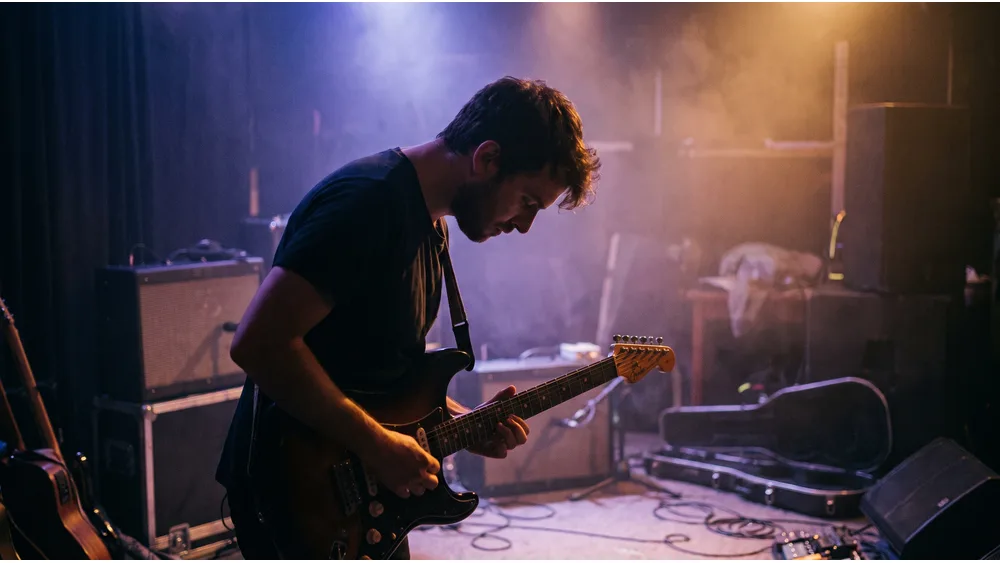
Build a cohesive visual brand that reinforces your sonic identity. Your aesthetics, album art, social media presence, merchandise, and stage setup should all feel connected to your sound. When someone sees your poster before hearing a note, they should get an accurate vibe of what you sound like. This consistency across all touchpoints makes you memorable and recognizable in oversaturated markets.
Managing all these creative elements—tracking song versions, coordinating band input, organizing assets, maintaining brand consistency, scheduling studio time—creates substantial workflow complexity most indie bands handle chaotically. Bandmate.co centralizes these creative operations so you focus on discovering your sound instead of drowning in disorganization. Because your unique sound is already inside you—the challenge is creating enough space and removing enough friction to let it emerge naturally.
From idea to release without drowning
Recording projects fail less from lack of plugins and more from unclear goals, bad prep, and no finish line.
Define the target
Demo, single, EP, or album? Streaming-first or sync-ready? Live-sounding or hyper-produced? Write it down before booking time.
Pre-production
Arrangements tight, tempos mapped, reference tracks chosen, roles clear. Studio hours are expensive for undecided choruses.
Tracking discipline
- Click/guide strategy decided
- File naming convention
- Performance takes vs perfection traps
- Notes per take
Mixing and mastering path
DIY, hybrid, or pro. Budget for the finish, not only the tracking day. Resource: recording studio directory, recording topic.
Release readiness
Metadata, ISRCs, artwork, credits, splits registered (royalties guide, distribution platforms).
Sound identity habits
Unique sound is curation plus taste under constraints: limited palette, signature vocal approach, consistent drum/guitar choices, and references you actually analyze. It is rarely "more layers."
FAQ
Home studio or commercial studio?
Home for iteration; commercial for rooms, gear, and focus when the material is ready. Many projects use both.
How do we keep the band aligned during production?
One producer/decision owner for mix notes. Committee mixing by text thread is how records stall.
Related guides

Founder of Bandmate ®, entrepreneur, and musician helping bands succeed in the modern music industry.
Marketing Your Band Like a Pro: Tips for Indie Musicians
Great music does not market itself. Waiting to be discovered is not a strategy; it is a mood. Marketing for indie bands is a set of repeatable habits attached to a clear offer: who you are, who it is for, and what you want someone to do next.
Mastering the Art of the Perfect Soundcheck: A Comprehensive Guide for Bands
I'll never forget watching a talented band completely bomb a show because they rushed their soundcheck. The music was great, but nobody could hear the vocals, the bass was muddy, and the drummer couldn't hear anyone. After managing hundreds of live performances, I can tell you with certainty: your soundcheck determines your show's success more than almost anything else.
Subscribe to our newsletter
Get the latest news and updates.
No spam. Unsubscribe anytime.