Harmonizing Band Relationships: Effective Conflict Resolution Strategies
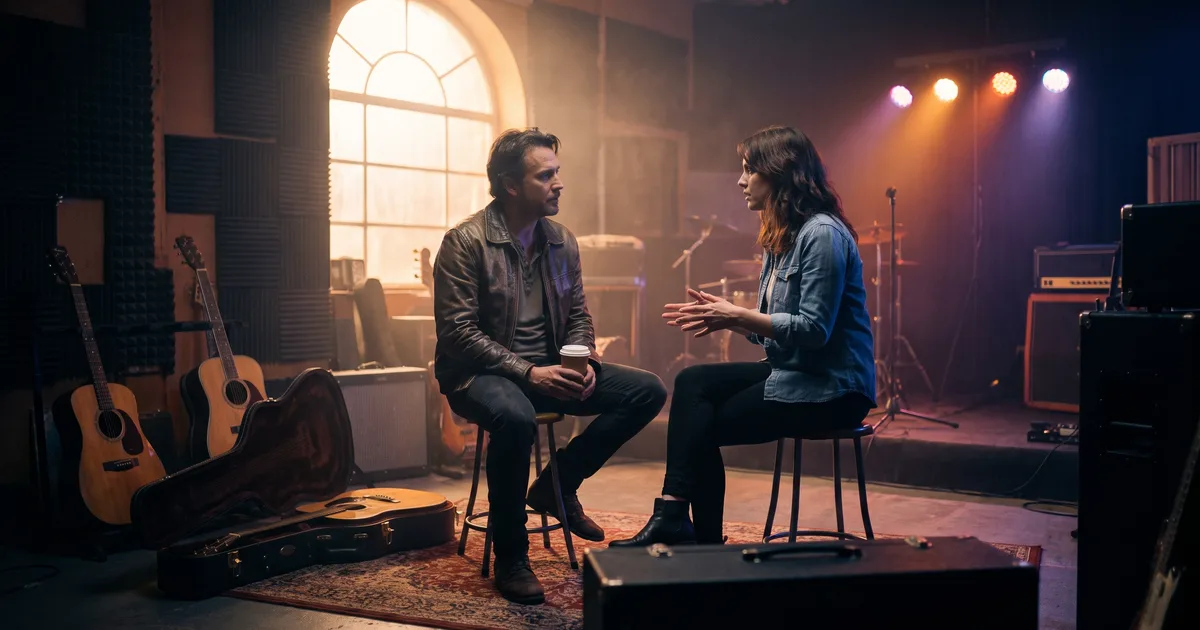
Here's what I've learned from managing band conflicts for over a decade: every band fights. The difference between bands that last and bands that implode isn't whether conflict exists—it's how you handle it when it inevitably does.
I watched one of the most talented bands I ever worked with destroy themselves over a scheduling disagreement. Not because the disagreement itself was catastrophic, but because they let it fester for three months without addressing it directly. By the time they finally talked, resentment had poisoned everything. The bassist quit two weeks later.
Address conflicts immediately, before small issues become relationship-destroying resentments. "Hey, can we talk about what happened at rehearsal?" feels uncomfortable, but it's infinitely better than months of passive-aggressive tension that kills the creative energy everyone joined a band to experience. The bands that survive decades together are the ones who got comfortable having uncomfortable conversations early.
Active listening changes everything. When someone expresses a concern, actually listen instead of formulating your defense. Ask clarifying questions. Restate what you heard to confirm understanding. Most band conflicts I've mediated weren't actually about the surface issue—they were about someone feeling unheard or disrespected. When people feel genuinely listened to, half the conflict dissolves immediately.
Define roles and responsibilities clearly before you need them. Who handles booking? Who manages social media? Who makes final calls on setlist changes? Ambiguity creates power struggles. Write down who's responsible for what, get everyone to agree, update it when circumstances change. This isn't corporate bureaucracy—it's preventing the "I thought you were handling that" disasters that tank shows.

Work collaboratively on solutions rather than battling over positions. The goal isn't winning the argument—it's finding a resolution everyone can live with that moves the band forward. Brainstorm options together, consider everyone's perspective, choose the solution that best serves the music and the group. Conflict handled well actually strengthens relationships by building trust through difficult moments.
Sometimes you need outside perspective. If you can't resolve something internally, bring in a neutral mediator—a manager, mentor, or band coach who can facilitate productive conversation without taking sides. There's zero shame in asking for help. The shame is letting pride destroy something you built together.
Managing conflict resolution processes—documenting agreements, tracking recurring issues, maintaining clear role definitions, facilitating difficult conversations—creates administrative complexity most bands can't handle during emotional moments. Bandmate.co centralizes these systems so conflict gets addressed constructively instead of festering destructively. Because every band fights. Winners fight productively.

Founder of Bandmate ®, entrepreneur, and musician helping bands succeed in the modern music industry.
Handling Stage Mishaps Like a Pro: Tips for Bands
My guitar strap broke mid-song during a showcase for label reps. The bassist's amp started smoking during our biggest festival slot. The drummer's kick pedal snapped on the second song of a three-hour wedding gig. Stage mishaps aren't a matter of if—they're a matter of when. And how you handle them separates professional bands from amateurs.
How to Book More Gigs for Your Band in 2025
Most bands that "can't get gigs" are not unlucky—they are inconsistent. They send a handful of emails when inspired, wait two months, then decide the scene is closed. Busy local acts treat booking like a job: calendar blocks, a living venue list, and follow-up. This guide is that system.
Subscribe to our newsletter
Get the latest news and updates.
No spam. Unsubscribe anytime.