Handling Stage Mishaps Like a Pro: Tips for Bands

My guitar strap broke mid-song during a showcase for label reps. The bassist's amp started smoking during our biggest festival slot. The drummer's kick pedal snapped on the second song of a three-hour wedding gig. Stage mishaps aren't a matter of if—they're a matter of when. And how you handle them separates professional bands from amateurs.
Here's what I've learned managing hundreds of live shows: the audience doesn't remember the mishap. They remember how you handled it. Panic onstage, and you'll lose the crowd's confidence instantly. Laugh it off with grace, and you might create the most memorable moment of the night. I've seen bands turn broken strings into audience sing-alongs that became legendary.
Always pack a comprehensive emergency kit. Extra strings, spare cables, backup sticks, batteries, duct tape, zip ties, and a multitool aren't suggestions—they're requirements. The most prepared band I ever worked with carried a complete backup guitar already tuned to their tuning. Excessive? Maybe. But when their main guitar's electronics failed mid-set, they swapped in five seconds flat without missing a beat.
Develop non-verbal communication systems with your bandmates beforehand. What's the signal for "skip to the next song"? How do you indicate "vamp here while we fix this"? When equipment fails mid-performance, you can't stop and have a conference. You need pre-established protocols that everyone understands instinctively. Practice these transitions during rehearsal until they're muscle memory.
Build rapport with venue sound engineers before your set. Introduce yourself. Be respectful and professional. Ask about their signal preferences and contingency plans. When something goes wrong—and eventually it will—that friendly sound tech becomes your lifeline. The bands who treat engineers poorly get minimal help during crises. The bands who treat them well get creative problem-solving and quick fixes.
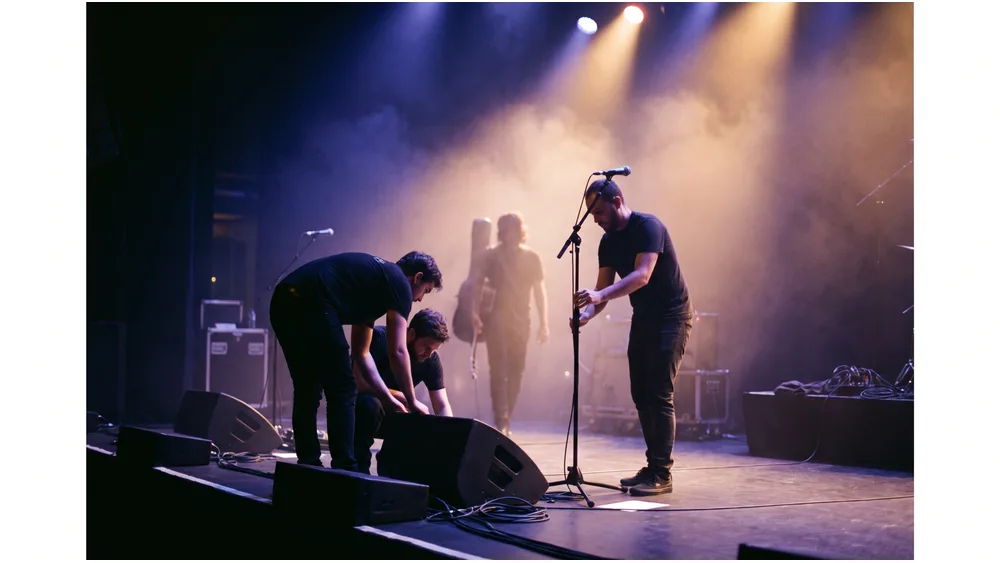
The crowd engagement skill separates good performers from great ones. When your amp cuts out, that's your chance to do an acoustic moment. When you forget lyrics, make a joke about it and have the audience sing along. Technical difficulties create unexpected intimacy if you handle them with humor and authenticity. Some of the best concert moments I've witnessed were artists connecting with crowds during equipment failures.
Rehearse failure scenarios explicitly. Once per month, simulate something going wrong during practice. Have the guitarist unplug mid-song. Make the drummer stop suddenly. Practice continuing without specific instruments. This training builds confidence and muscle memory for handling real crises smoothly.
Coordinating all these contingency plans—maintaining equipment backup inventories, scheduling rehearsals that include failure scenarios, communicating protocols across band members, tracking which venues have which backup gear available—creates substantial logistical overhead. Bandmate.co centralizes this operational complexity so your crisis management stays sharp without drowning in preparation details. Because stage mishaps will happen. What matters is handling them so professionally that your audience never realizes anything went wrong.

Founder of Bandmate ®, entrepreneur, and musician helping bands succeed in the modern music industry.
Going Solo: Tips to Transition to Your Solo Act
Thinking about going solo? Maybe creative differences are pulling your band apart, or you want complete artistic control. After guiding artists through this transition, I can say it plainly: going solo is not a social-media bio edit. It is a legal, financial, operational, and identity rebuild. Done carefully, it frees you. Done sloppily, it freezes catalogs and burns relationships for years.
Harmonizing Band Relationships: Effective Conflict Resolution Strategies
Here's what I've learned from managing band conflicts for over a decade: every band fights. The difference between bands that last and bands that implode isn't whether conflict exists—it's how you handle it when it inevitably does.
Subscribe to our newsletter
Get the latest news and updates.
No spam. Unsubscribe anytime.