How to Find Rehearsal Spaces Near You in 2026
Rehearsal Space Finder Guide for Bands 2026
Rehearsal space is where sets get honest. Bad rooms create noise complaints, stolen gear, and canceled practices; good rooms become a second home. This guide helps you evaluate hourly studios, lockouts, and creative alternatives without romanticizing a garage that will get you evicted.
Matching space type to your season
Hourly rooms are flexible and lower commitment—ideal while lineups and schedules stabilize. Lockouts offer storage and identity but bring lease risk, neighbors, and dead-month costs. Houses and garages can work when legal and neighbor-aware; they fail when volume and politics collide. Churches, schools, and industrial shares sometimes offer deals with scheduling constraints. Deep logistics live in band rehearsal space: find and share.
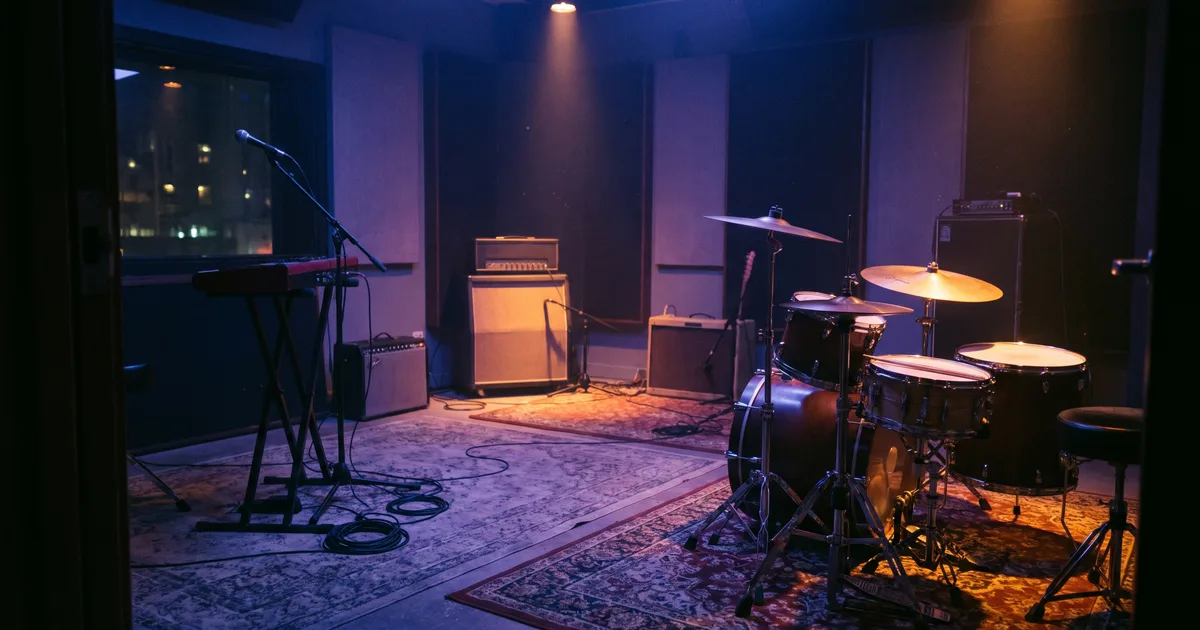
Visit while another band is loud next door. Check load-in, parking, climate for gear, security culture, power, and true isolation. Ask about insurance requirements and guest policies. Photograph the empty room for condition disputes later. Inventory shared gear with the equipment inventory and consider coverage via the band insurance guide.
Cost, fairness, and productivity
Split costs by usage when lineups differ; equal shares when everyone is full-time. Write the rule down. A cheap room that nobody can schedule is not cheap. Once you have a space, agendas beat vibes—organize band rehearsals. Save full-volume hours for set runs; do homework at home when possible.
Chain studios offer predictability; local rooms can win on price and community if you pay on time and protect the building. Be the band management wants to keep. When you leave, give notice and remove gear cleanly—scenes talk.
Finding options in a real city
Search local directories, peer referrals, and building managers near industrial edges. In dense markets like Seattle, Nashville, Austin, Los Angeles, New York, and Chicago, book early around festival and release weeks. Use the Bandmate directory to understand player density while you hunt rooms. The goal is consistent practice where the music improves—not a status address.
Shortlist two or three spaces, run a paid trial session with your full volume, and only then sign longer terms. Your future setlists will thank you.
Neighbor and building politics
One arrogant late-night session can cost the room for everyone. Know quiet hours, designate a contact for complaints, and leave the hallway cleaner than you found it. Building managers renew leases for bands who act like adults. Talent does not excuse damage deposits.
Sharing keys and access
Decide who holds codes, who can invite guests, and what happens when someone loses a fob. Unlimited soft access turns into parties and missing cables. A simple access log feels corporate until the week something disappears. Pair access rules with the inventory sheet so ownership and presence stay aligned.
FAQ
How do I choose between hourly and lockout rehearsal space?
Start hourly until lineup and schedule are stable. Move to lockout only with written cost splits, insurance thinking, and a budget for slow months—see band rehearsal space guide.
What should I inspect before renting?
True isolation, load-in, parking, climate, security, power, and neighbor culture. Visit while another band is loud next door.
Are chain studios always better?
Not always. Local rooms and shared industrial spaces can win on price and community if you protect the building and pay on time.
How do we keep rehearsal productive once we have a room?
Agendas beat vibes—organize band rehearsals. Save full-volume hours for set runs, not noodling.
Related guides and tools
Subscribe to our newsletter
Get the latest news and updates.
No spam. Unsubscribe anytime.