Recording Studio Directory and Guide 2026
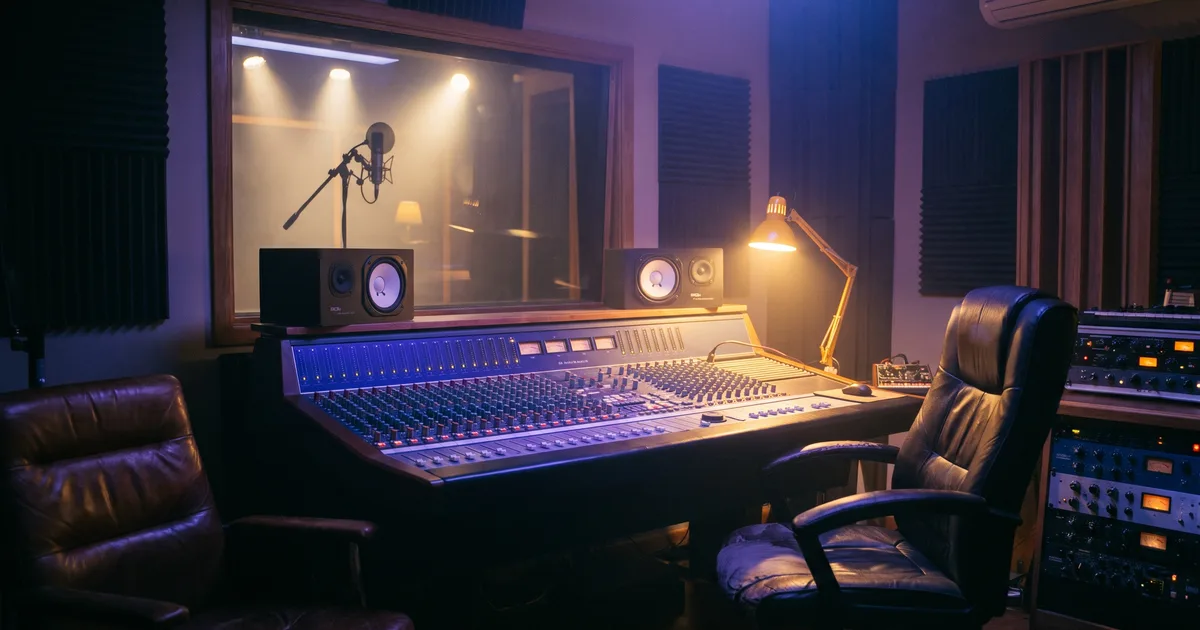
Recording Studio Directory and Guide 2026
The right studio is a creative decision with a price tag. A great engineer and room can capture who you already are; a mismatched room can burn budget while you chase a sound that was never going to live there. This guide helps you find studios, evaluate fit, and use paid hours like a professional.
How to find rooms that match your music
Start with recordings you admire in your lane and note where they were tracked or mixed. Ask peers in your city for engineers who stay calm when the clock is running. Online marketplaces and directories help you shortlist, but reputation and recent credits matter more than chandelier photos. Visit when you can—acoustics, workflow, and vibe do not fully translate through a website.
Define the job: full band live tracking, overdubs, vocals only, mix, or mastering. Project studios can be perfect for overdubs; larger commercial rooms may justify cost for drums and ensemble energy. Home studios work when the producer-engineer is strong and the material fits. Remote collaboration can cover parts and mixes when files and briefs are tight—see session musicians and collaboration tools.
What to evaluate beyond the rate card
Listen to recent work in your genre. Ask who engineers your session and whether that person is the same human in the brochure. Clarify hourly versus project rates, overtime rules, assistant costs, and how revisions work. Confirm backline, headphone mixes, and file delivery formats. Logistics matter: load-in, parking, neighborhood noise curfews, and whether you can rehearse nearby—rehearsal space finder.
Budget the whole week, not only studio hours. Rehearsal, travel, food, lodging, and mix revisions belong in the band budget and release planner. Unrehearsed bands rent expensive practice rooms; do the musical homework first with organize band rehearsals.
Booking and session manners
Email with a clear project description, references, preferred dates, and a realistic hour estimate. Visit before you commit when stakes are high. Get the rate and cancellation terms in writing. On session day, arrive ready: arrangements locked, strings changed, reference tracks chosen, decisions about click and takes already discussed. One person should be the band’s communication lead with the engineer so debates do not eat the clock.
Red flags include pressure deposits with no agreement, unwillingness to share recent comparable work, and chaotic rooms that cannot start on time. Trust your gut about professionalism—you are hiring a partner for something permanent.
When the masters are done, the city still matters for live proof. Keep building in markets like Seattle, Nashville, Austin, Los Angeles, New York, and Chicago through the directory while the record finds its audience.
After the session
Label takes, back up sessions to two places, and calendar mix revision windows while energy is high. Agree who communicates with the engineer so five conflicting emails do not appear at midnight. Plan the release path before you celebrate the last downbeat so the recording becomes a public fact, not a hard drive souvenir.
FAQ
How do we choose a recording studio for a first EP?
Prioritize engineer fit and genre experience over Instagram rooms. Ask for recent comparable credits, hourly vs project rates, and revision policy.
Should we self-record instead?
If you have a capable producer in-house and time, yes for demos and some releases. For vocals, drums, or career-defining masters, a good room still pays—budget it.
What should we prepare before studio day?
Rehearsed arrangements, reference tracks, click decisions, and a written goal for the session. Unrehearsed studio time is expensive practice.
How does studio booking relate to band ops?
Deposits, calendars, and file ownership need clarity—organize band rehearsals, band budget template.
Related guides and tools
Subscribe to our newsletter
Get the latest news and updates.
No spam. Unsubscribe anytime.