Servant Leadership Guide
Servant Leadership Guide
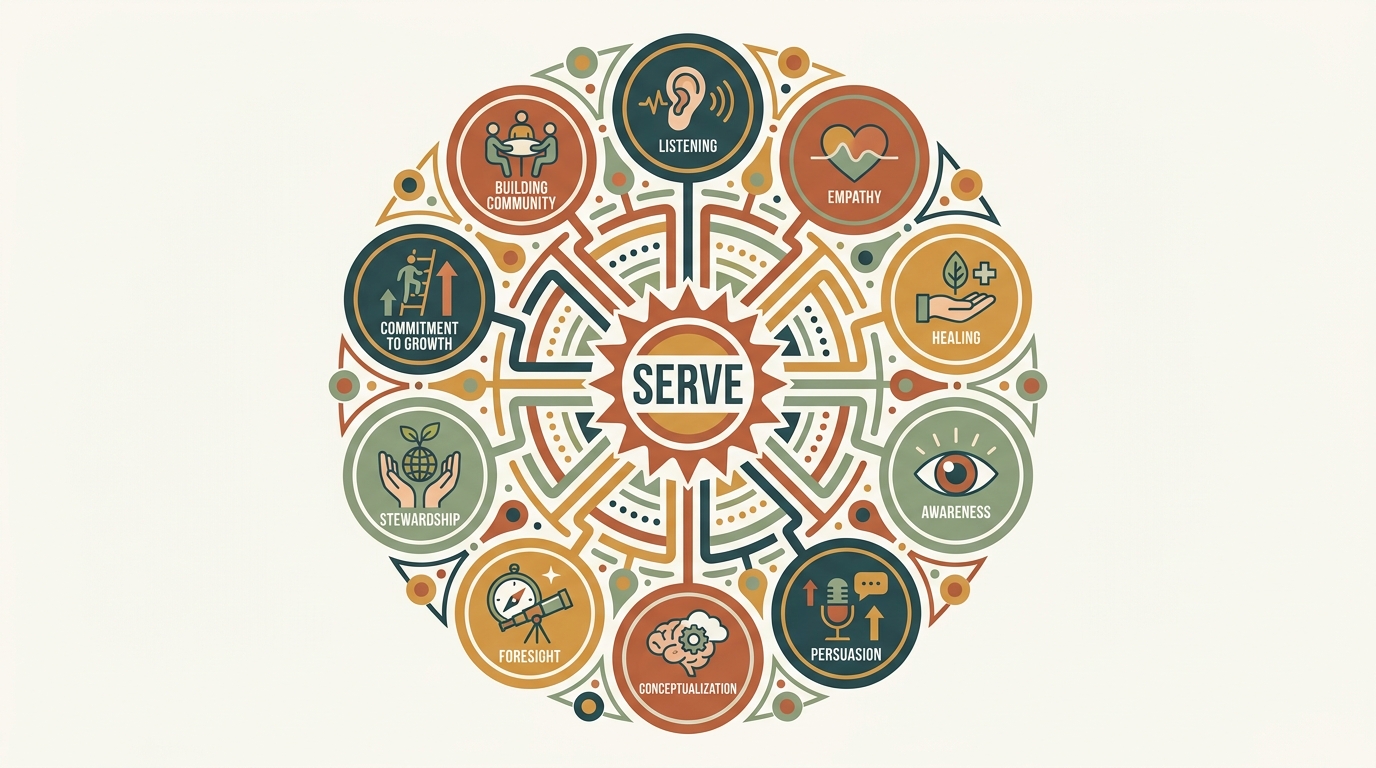
The best band leaders serve their bands. This guide explains servant leadership principles for bands.
What is Servant Leadership?
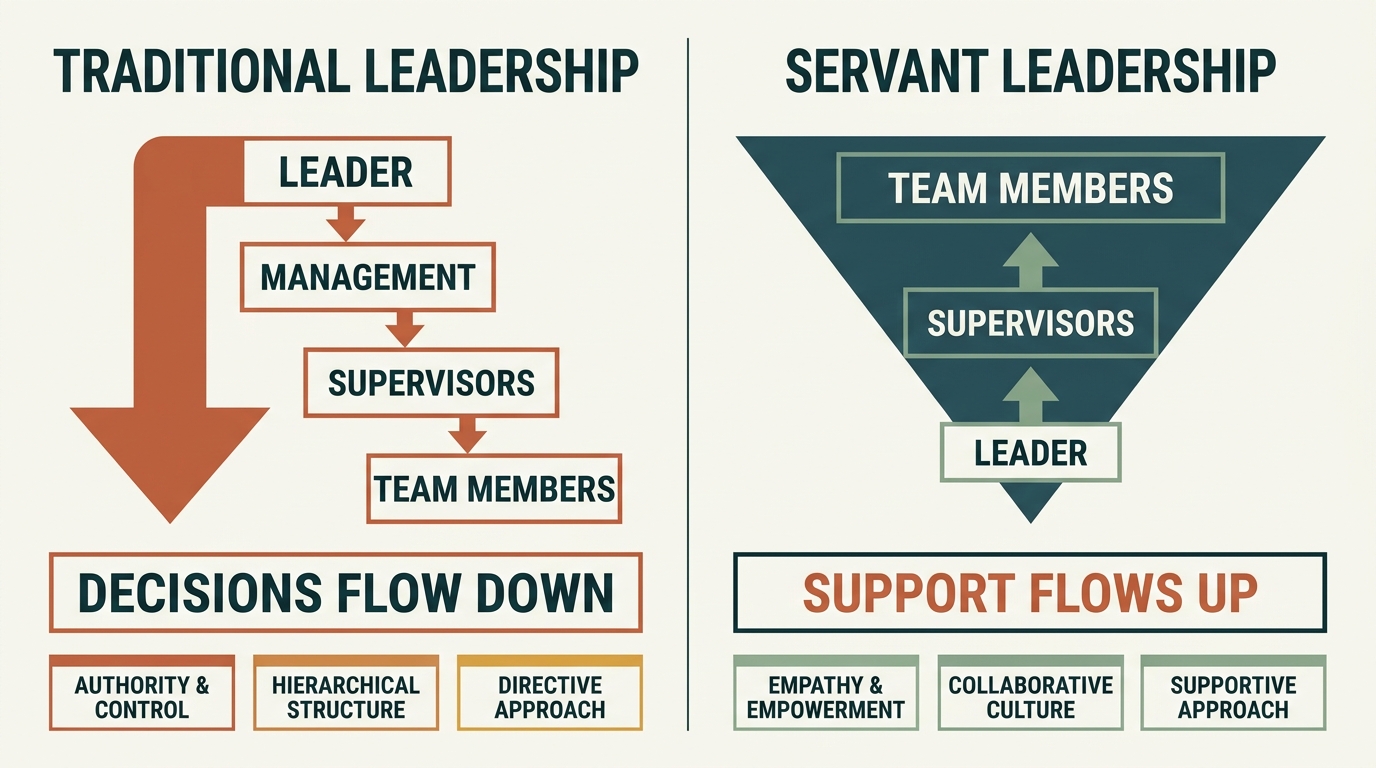
Traditional leadership:
- Leader at the top
- Members serve the leader
- Leader makes all decisions
- Power-based
- Top-down
Servant leadership:
- Leader serves the band
- Leader empowers members
- Collaborative decisions
- Service-based
- Bottom-up support
Why Servant Leadership for Bands?
Benefits:
- Higher member engagement
- Better retention
- More creativity
- Stronger collaboration
- Better morale
- Sustainable success
Traditional leadership problems:
- Resentment
- Disengagement
- High turnover
- Limited creativity
- Poor morale
- Burnout
Core Principles
1. Listening
What it means:
- Truly hear what members say
- Understand their perspectives
- Value their input
- Don't just wait to talk
How to practice:
- Ask open-ended questions
- Listen without interrupting
- Reflect back what you hear
- Act on what you learn
Example: Instead of: "Here's what we're doing" Try: "What do you think we should do?"
2. Empathy
What it means:
- Understand members' feelings
- See their perspective
- Acknowledge their experience
- Care about their wellbeing
How to practice:
- Put yourself in their shoes
- Validate their feelings
- Show you care
- Consider their circumstances
Example: Instead of: "Just practice more" Try: "I know you're busy with work. How can we help you find time to practice?"
3. Healing
What it means:
- Help members grow
- Support through challenges
- Create safe environment
- Address conflicts
How to practice:
- Check in regularly
- Offer support
- Address issues early
- Create psychological safety
Example: Instead of: Ignoring tension Try: "I noticed some tension. Let's talk about it."
4. Awareness
What it means:
- Self-awareness
- Awareness of band dynamics
- Understanding impact
- Recognizing patterns
How to practice:
- Reflect on your leadership
- Seek feedback
- Notice dynamics
- Learn from experience
Example: Instead of: Blaming others Try: "What could I have done differently?"
5. Persuasion
What it means:
- Build consensus
- Don't force decisions
- Use influence, not authority
- Convince, don't command
How to practice:
- Make your case
- Listen to concerns
- Find common ground
- Build agreement
Example: Instead of: "We're doing it my way" Try: "Here's why I think this is best. What do you think?"
6. Conceptualization
What it means:
- Think long-term
- See big picture
- Balance vision and operations
- Strategic thinking
How to practice:
- Set long-term vision
- Connect daily work to vision
- Think beyond immediate
- Plan strategically
Example: Instead of: Only focusing on next show Try: "Where do we want to be in 2 years?"
7. Foresight
What it means:
- Anticipate consequences
- Learn from past
- Understand present
- Predict future
How to practice:
- Consider implications
- Learn from history
- Notice patterns
- Plan ahead
Example: Instead of: Reacting to problems Try: "If we do this, what might happen?"
8. Stewardship
What it means:
- Serve the band's mission
- Responsible use of resources
- Think of band's future
- Leave it better than you found it
How to practice:
- Protect band's interests
- Use resources wisely
- Build for future
- Develop next leaders
Example: Instead of: Personal glory Try: "What's best for the band long-term?"
9. Commitment to Growth
What it means:
- Develop each member
- Support their goals
- Invest in their growth
- Help them succeed
How to practice:
- Understand their goals
- Provide opportunities
- Offer feedback
- Support development
Example: Instead of: Using members for your goals Try: "How can this band help you grow?"
10. Building Community
What it means:
- Create sense of belonging
- Foster connections
- Build team spirit
- Develop culture
How to practice:
- Create shared experiences
- Celebrate together
- Support each other
- Build traditions
Example: Instead of: Just business Try: "Let's hang out after rehearsal"
Servant Leadership in Practice
Decision-Making
Traditional approach:
- Leader decides alone
- Announces decision
- Members comply
Servant leadership approach:
- Gather input
- Discuss options
- Build consensus
- Make decision together
Conflict Resolution
Traditional approach:
- Leader imposes solution
- "My way or highway"
- Power-based
Servant leadership approach:
- Facilitate discussion
- Help parties find solution
- Support resolution
- Service-based
Goal Setting
Traditional approach:
- Leader sets goals
- Members execute
- Top-down
Servant leadership approach:
- Collaborative goal setting
- Align individual and band goals
- Bottom-up input
Feedback
Traditional approach:
- One-way (leader to member)
- Criticism-focused
- Infrequent
Servant leadership approach:
- Two-way dialogue
- Growth-focused
- Regular and ongoing
Common Misconceptions
Misconception 1: Weak Leadership
Myth: Servant leadership is weak
Reality: It takes strength to serve
- Requires humility
- Demands self-awareness
- Takes courage
- Shows confidence
Misconception 2: No Authority
Myth: Servant leaders have no authority
Reality: Authority through service
- Earned, not imposed
- Influence, not force
- Respect-based
- More sustainable
Misconception 3: Everyone's Happy
Myth: Servant leadership means no conflict
Reality: Addresses conflict better
- Creates safe space for disagreement
- Facilitates resolution
- Builds stronger relationships
- Healthier conflict
Misconception 4: No Decisions
Myth: Can't make tough decisions
Reality: Makes better decisions
- More informed
- Better buy-in
- More sustainable
- Considers all perspectives
Transitioning to Servant Leadership
Step 1: Self-Assessment
Reflect on current approach:
- How do I make decisions?
- How do I handle conflict?
- How do I treat members?
- What's my motivation?
Step 2: Start Small
Begin with:
- Asking more questions
- Listening more
- Seeking input
- Supporting members
Step 3: Build Trust
Through:
- Consistency
- Following through
- Transparency
- Caring actions
Step 4: Develop Skills
Work on:
- Active listening
- Empathy
- Facilitation
- Self-awareness
Step 5: Get Feedback
Ask:
- How am I doing?
- What could I improve?
- What's working?
- What's not working?
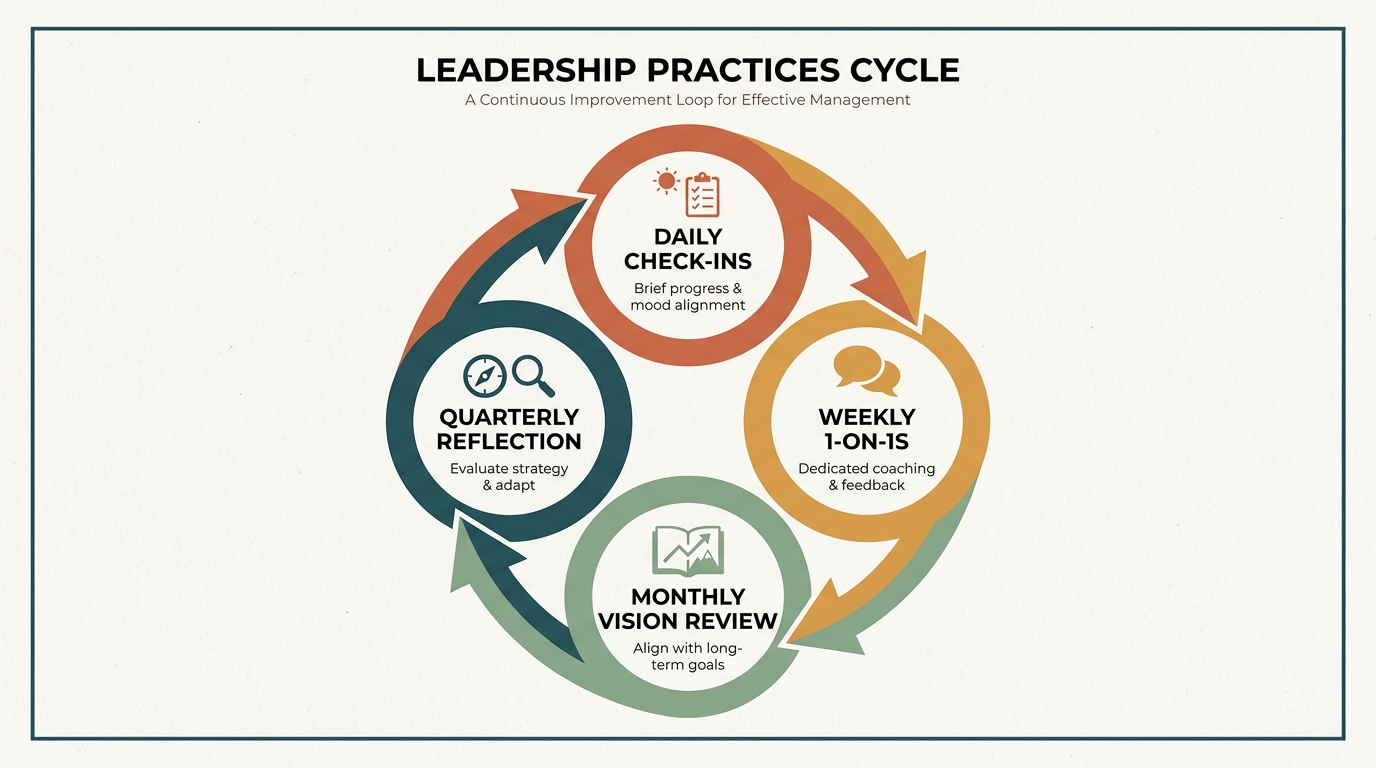
Servant Leadership Practices
Daily Practices
1. Check in with members
- How are you?
- What do you need?
- How can I help?
2. Listen actively
- Full attention
- Don't interrupt
- Reflect back
- Act on input
3. Support growth
- Provide opportunities
- Offer feedback
- Encourage development
- Celebrate progress
Weekly Practices
1. One-on-ones
- Individual check-ins
- Understand their experience
- Support their goals
- Address concerns
2. Seek feedback
- How's my leadership?
- What can I improve?
- What's working?
- What's not?
3. Reflect
- What went well?
- What could be better?
- What did I learn?
- What will I change?
Monthly Practices
1. Review vision
- Are we on track?
- Do we need to adjust?
- Is everyone aligned?
- What's next?
2. Assess culture
- How's morale?
- How's communication?
- How's collaboration?
- What needs attention?
3. Plan development
- What skills to develop?
- What opportunities to create?
- How to support growth?
- What resources needed?
Measuring Success
Individual Level
Signs of success:
- Members feel heard
- Members feel valued
- Members are engaged
- Members are growing
- Members are happy
Band Level
Signs of success:
- Strong collaboration
- Good communication
- Healthy conflict resolution
- High retention
- Achieving goals
- Positive culture
Leadership Level
Signs of success:
- Growing self-awareness
- Improving skills
- Positive feedback
- Developing other leaders
- Sustainable approach
Key Takeaways
- Serve your band - Leadership is service
- Listen first - Understand before deciding
- Empower members - Help them grow and succeed
- Build consensus - Persuade, don't command
- Think long-term - Steward the band's future
- Create community - Foster belonging and connection
- Stay humble - It's not about you
Servant leadership creates stronger, more sustainable bands. Start serving your band today.
Subscribe to our newsletter
Get the latest news and updates.
No spam. Unsubscribe anytime.


Bandmate® is the complete platform for musicians, bands, and venues to connect, collaborate, and grow. Find bandmates, discover venues, and build your music career with tools designed by musicians, for musicians.