Working in Harmony: Tips for Bands to Collaborate as a Strong Team

The Beatles, Fleetwood Mac, and countless other legendary bands nearly destroyed themselves not through lack of talent, but through inability to work together effectively. After managing band dynamics for years, I've learned that technical skill means nothing if your band can't collaborate as a functional team—and communication failures kill more groups than creative differences, money, or ego.
Here's what quietly destroys most bands: unspoken expectations. Someone thinks rehearsal starts at 7pm sharp; someone else thinks 7pm-ish is fine. Nobody discusses it, resentment builds, passive-aggressive comments start flying, and suddenly you're in a screaming match about punctuality that's really about six months of accumulated frustration. Address the small things while they're still small.
Communication determines everything. The bands that last decades establish systems early. Don't scatter conversations across texts, emails, Instagram DMs, and random verbal exchanges—pick primary tools and stick with them. A group chat for quick coordination, email for formal decisions and contracts, and regular video or in-person meetings for anything requiring real discussion works for most groups. Document important decisions. "We agreed on this" means nothing when nobody can prove what "this" actually was.
Hold actual band meetings, even if it feels corporate and weird. Weekly or bi-weekly, consistent schedule, mandatory attendance. Have an agenda. Cover upcoming shows, creative updates, administrative tasks, concerns that need addressing. Rotate who facilitates and takes notes so nobody becomes the default "band manager" who resents everyone else. When everyone knows what's happening and feels heard, minor issues stay minor instead of becoming relationship-destroying explosions.
Create a decision-making framework before you need it. Which decisions require unanimous agreement? Which need a majority vote? Who has authority over what? The time to figure this out is not when you're arguing about whether to take a tour half the band hates. Write it down, get everyone to agree, and refer back when conflicts arise.
Delegate based on actual strengths, not just musical roles. Maybe your drummer is great with social media. Your bassist handles finances well. Your guitarist has design skills for merch. Identify what each person does best beyond their instrument, assign those responsibilities clearly, document them, and respect those roles. Bands where one person does everything breed resentment. Shared workload builds shared ownership.
Schedule social time deliberately outside rehearsals and shows. Grab meals together. Hang out without discussing band business. The strongest band relationships I've seen are actual friendships, not just professional collaborations. You're spending hundreds of hours together—make those relationships genuine or the pressure will fracture everything eventually.
Embrace flexibility when plans change—because they will constantly. Shows get cancelled, members get sick, opportunities arise unexpectedly. Rigid bands that can't adapt break under industry unpredictability. Flexible bands that roll with changes survive and thrive. This doesn't mean lacking standards—it means responding to reality without falling apart.
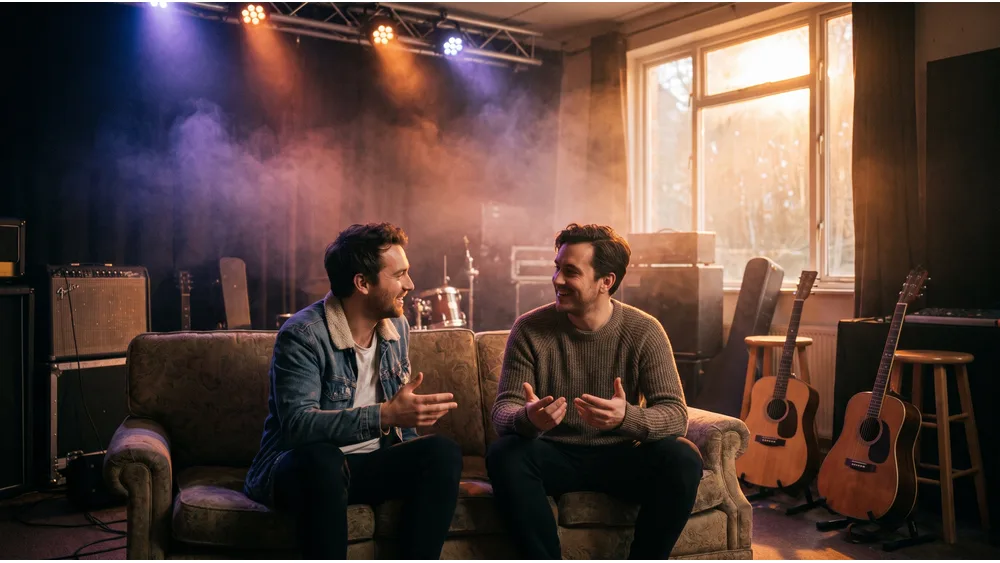
Address conflicts immediately and directly. When tension arises, discuss it privately and respectfully before it poisons everything. Use "I" statements, focus on specific behaviors rather than character attacks, and actually listen when people respond. Most blowups I've seen between bandmates trace back to a small irritation nobody voiced until months of resentment had piled up. "Hey, can we talk about rehearsal start times?" feels awkward, but it's infinitely better than the eventual explosion.
Build traditions and celebrate wins together. First show played, first song finished, follower milestones, successful tours. Shared victories strengthen bonds. Acknowledge individual and collective achievements. This sounds soft, but bands that celebrate together stay together longer.
Managing team collaboration—coordinating schedules, tracking responsibilities, facilitating communication, documenting decisions, maintaining shared resources—creates substantial administrative complexity most bands handle terribly. Bandmate.co centralizes these collaborative functions so your band actually works as a team instead of just claiming to. Because talented musicians are everywhere. Talented musicians who can collaborate effectively are rare. Be rare.

Founder of Bandmate ®, entrepreneur, and musician helping bands succeed in the modern music industry.
Subscribe to our newsletter
Get the latest news and updates.
No spam. Unsubscribe anytime.