Tips for Finding the Right Bandmates: A Guide to Musical Success
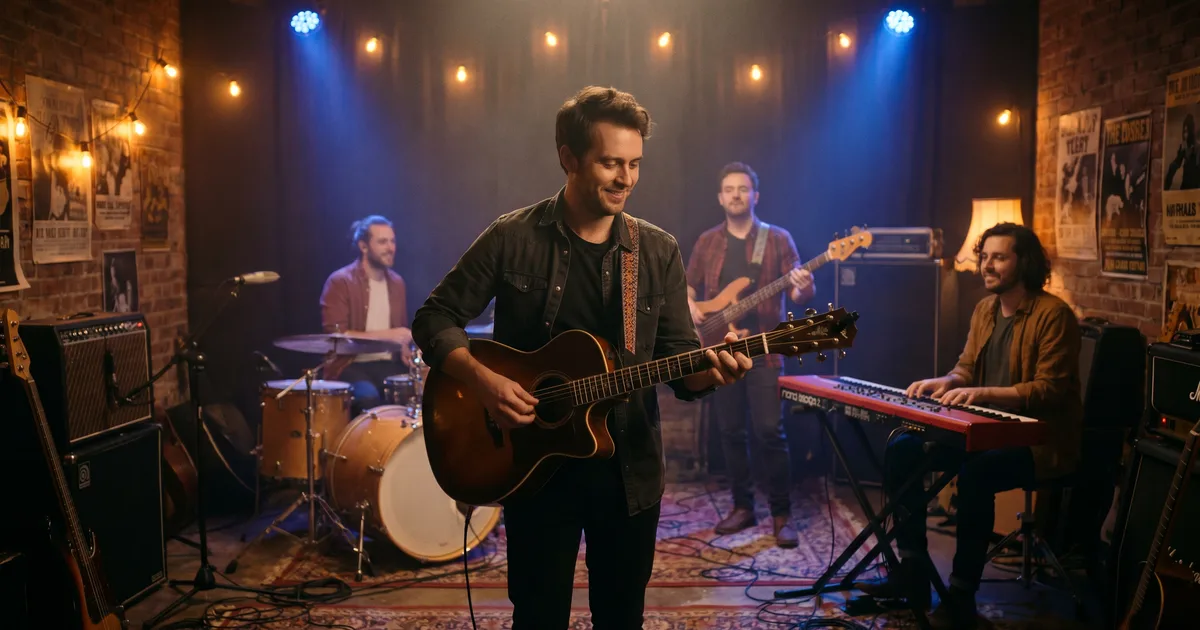
The wrong bandmate will drain your creative energy, miss rehearsals, and eventually implode your project. The right one becomes a creative partner you'll make music with for decades. I've seen both outcomes countless times, and the difference always comes down to how intentionally you approached the search.
Define your vision with brutal clarity before you start looking. Not just "we play rock music"—get specific. What's your rehearsal commitment? Touring goals? Creative process? Income expectations? When musicians ghost after two rehearsals, unclear expectations are usually why. Write down your non-negotiables and stick to them. Compromising on fundamentals to fill a spot quickly always backfires.
Immerse yourself in local music scenes relentlessly. Open mics, jam sessions, shows at small venues—this is where you meet musicians organically and see how they actually play, not just how their demo sounds. I've helped bands find perfect members who were playing backup in someone else's project, just waiting for the right opportunity. You can't find these people sitting at home browsing Craigslist.
Stay open-minded about influences and backgrounds. Your favorite guitarist might come from a jazz background when you play indie rock. That cross-pollination often creates the most interesting sounds. The bands that insist every member worship the exact same influences end up sounding derivative. Diversity in musical taste, when unified by common goals, produces originality.
Structure auditions professionally to evaluate both skill and fit. Send material to learn beforehand. Watch how they prepare, take direction, and interact with existing members. Chops get someone through the door, but dependability, attitude, and how they treat people decide whether they last. A brilliant player who shows up late or stirs drama will cost you more than a solid one you never have to worry about.
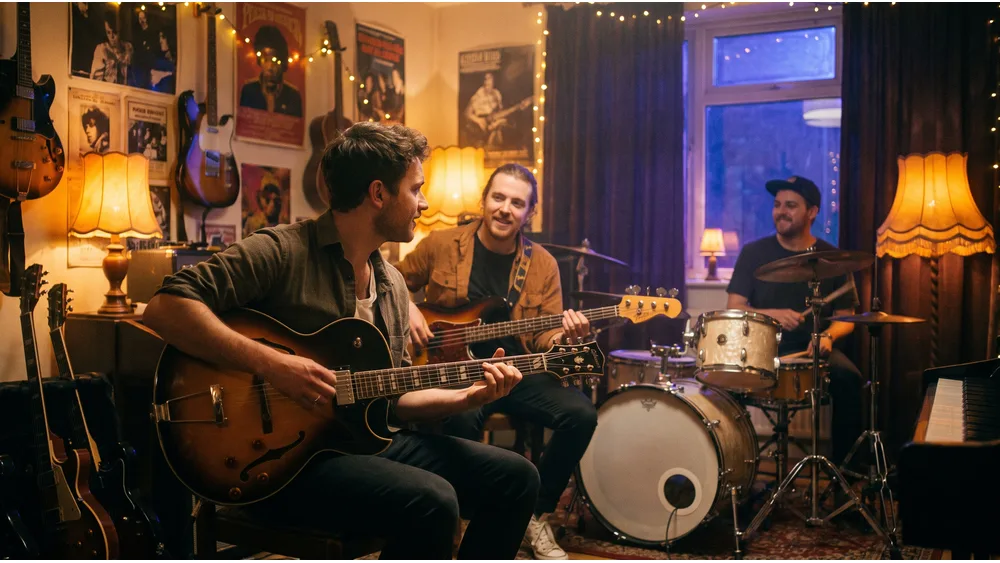
Communicate expectations explicitly before anyone joins. Rehearsal frequency, financial arrangements, creative decision-making, what happens if someone wants to leave—address everything upfront in a band member agreement. These conversations feel awkward but prevent the catastrophic arguments that kill most bands. The best bandmate relationships I've seen all started with uncomfortable honesty about expectations.
Check references when possible. Talk to their previous bandmates. Ask about reliability, attitude, and why they left. People rarely volunteer their flaws in auditions—you need external perspectives. I've seen bands skip this step then discover six months in that their new member has a reputation for quitting projects right before important shows.
Trial periods protect everyone. Treat the first three months as a trial for everyone involved—it lowers the stakes and lets both sides judge fit honestly. The best bands I know started every new member relationship this way—no hard feelings if it doesn't work, because expectations were set clearly from day one.
Managing this entire process—tracking candidates, coordinating auditions, sharing band materials, documenting agreements—creates significant administrative overhead. Bandmate.co centralizes this complexity so your energy goes into choosing the right people, not chasing logistics. Because the right bandmates aren't just skilled players—they're the people you'll spend thousands of hours with creating something meaningful. Choose very carefully.

Founder of Bandmate ®, entrepreneur, and musician helping bands succeed in the modern music industry.
Tips for Dealing with Toxic Personalities in Your Band
I've watched toxic band members destroy projects that had every reason to succeed. Talented musicians, great songs, building momentum—then one person's behavior poisons everything. After years managing these situations, I can tell you: addressing toxicity immediately saves bands. Ignoring it kills them.
Tips to Take Pro Band Photos: Elevate Your Music Group's Visuals
Your band photos are often the first impression potential fans get—and honestly? Most band photos I see are terrible. Awkward poses, bad lighting, generic backgrounds. After years helping bands develop their visual identity, I know what works and what screams "amateur."
Subscribe to our newsletter
Get the latest news and updates.
No spam. Unsubscribe anytime.