Strategies for Organizing an Effective Band Practice Session
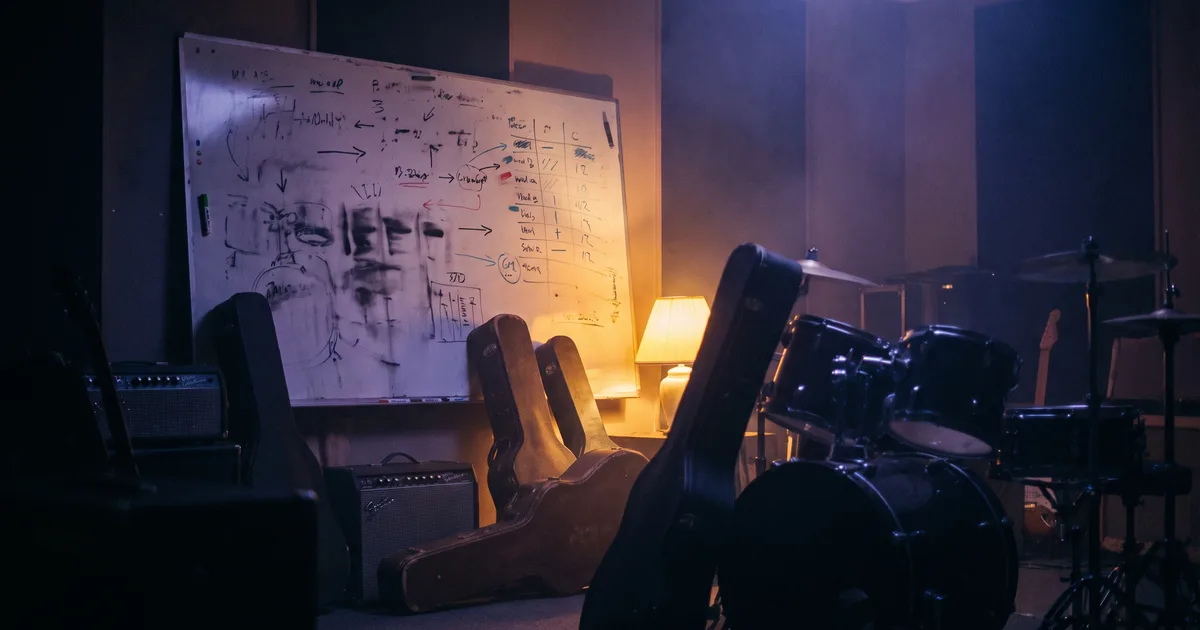
I've watched countless bands waste practice time scrolling phones, arguing about setlists, or noodling aimlessly for hours without accomplishing anything concrete. After years managing rehearsals and producing bands, I've learned that effective practice separates bands who improve rapidly from bands who spin their wheels indefinitely playing the same sloppy songs forever.
Start every rehearsal knowing exactly what you're trying to accomplish. "Practice" isn't a goal—"nail the bridge transition in Song X" or "finalize arrangements for new track" are goals. Before anyone plugs in, spend five minutes agreeing what success looks like today. This simple habit prevents directionless jamming that feels productive but accomplishes nothing. Write goals on a whiteboard if your space has one. Hold each other accountable to actually finishing what you planned instead of getting distracted.
Establish consistent rehearsal schedules everyone commits to treating seriously. Weekly practices at the same time build discipline and momentum. Showing up sporadically whenever everyone happens to be free kills progress—you spend every session relearning what you forgot since last time instead of building forward. If someone can't commit to regular rehearsals, they're not serious about the band. Sounds harsh, but I've mediated too many conflicts caused by one unreliable member holding back four committed ones.
Structure your time deliberately instead of just playing start-to-finish repeatedly. Warm up first—tune instruments, run scales, shake off the day. Then isolate problem sections from songs instead of constantly running full versions. If the chorus transition sucks, drill just that transition ten times until it's smooth. Most bands avoid this focused work because it's less fun than playing complete songs, but focused drilling improves faster than anything else. Allocate the final 30 minutes to full run-throughs so you leave feeling good about what you accomplished.
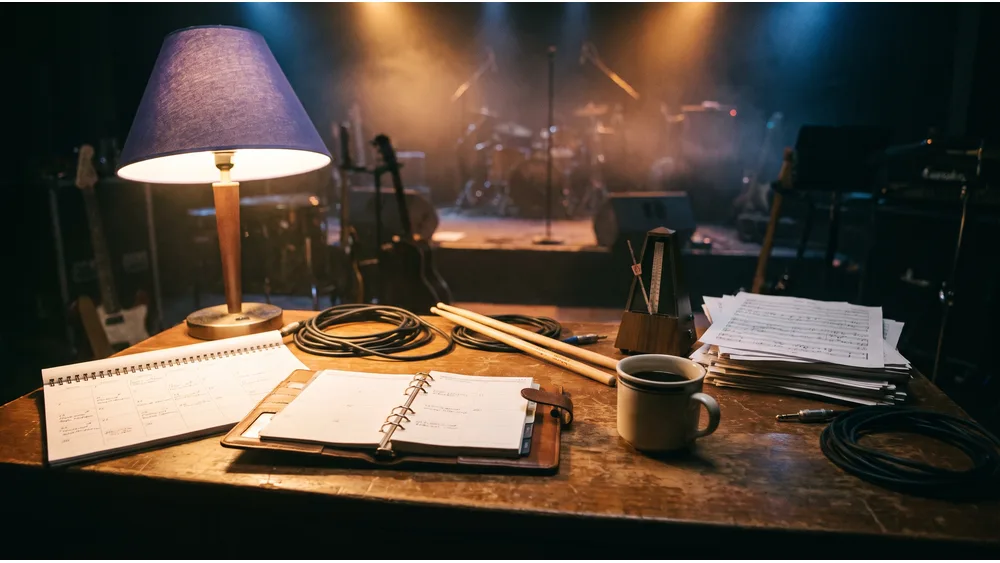
Record everything. Phone audio is fine—you're not making albums, you're documenting progress. Playback reveals timing issues, pitch problems, and arrangement flaws you don't hear while playing. Most bands hate listening back because it exposes how sloppy they actually are, but that discomfort drives improvement faster than anything else. Compare recordings across weeks to hear tangible progress—it's incredibly motivating when you can literally hear yourselves getting tighter.
Managing effective practice—scheduling rehearsals, tracking goals, organizing recordings, maintaining space rentals, coordinating equipment, documenting progress—creates substantial administrative work most bands handle chaotically through scattered group texts. Bandmate.co centralizes practice management so you actually show up prepared and accomplish concrete goals instead of wasting expensive rehearsal space time figuring out basic logistics. Because talent without disciplined practice stays potential forever. Effective rehearsals transform potential into actual skill.

Founder of Bandmate ®, entrepreneur, and musician helping bands succeed in the modern music industry.
So, You Want to Start a Band? Follow These Steps!
Starting a band is one of the best decisions a musician can make and one of the easiest to botch. Chemistry, songs, and ambition matter—but most new projects stall because nobody clarified the project, hired for reliability, or put a few boring systems in place before printing shirts.
Understanding Music Streaming Revenue for Bands in 2025
Streaming will not magically make most bands rich. Misunderstanding it, though, causes expensive mistakes: wrong splits, missed publishing money, shady “promo” that tanks your reputation, and strategy built on fantasy per-stream rates you saw in a screenshot.
Subscribe to our newsletter
Get the latest news and updates.
No spam. Unsubscribe anytime.