So, You Want to Start a Band? Follow These Steps!
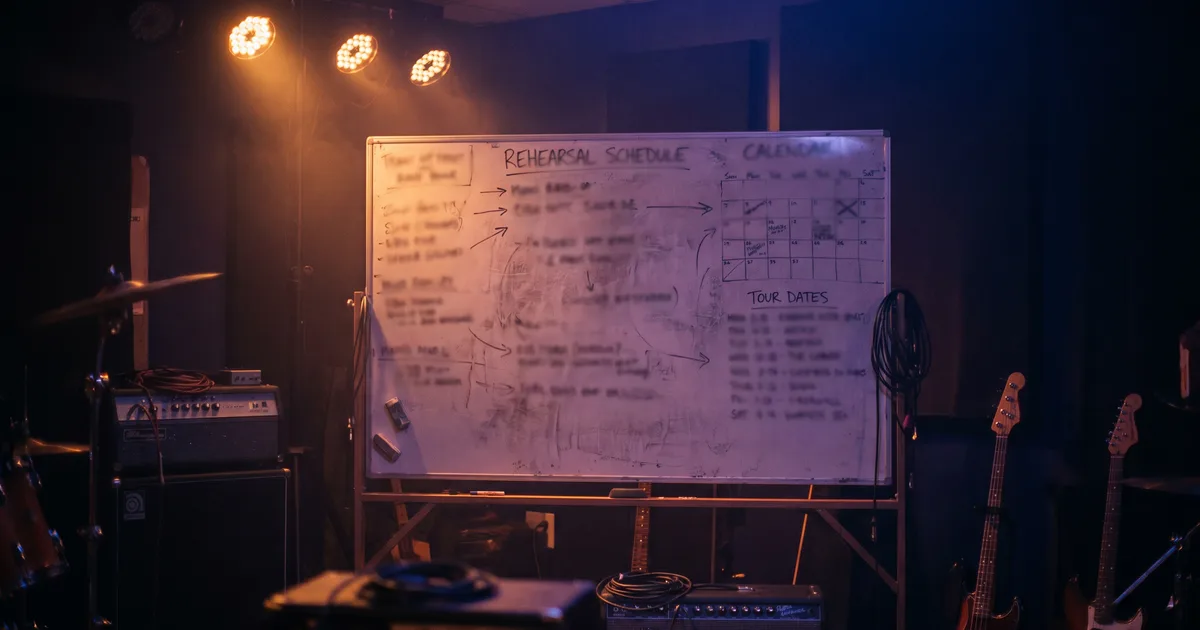
Starting a band is one of the best decisions a musician can make and one of the easiest to botch. Chemistry, songs, and ambition matter—but most new projects stall because nobody clarified the project, hired for reliability, or put a few boring systems in place before printing shirts.
This is a practical sequence: vision, people, agreement, systems, material, brand, first show, and a ninety-day roadmap. Follow it in order. Skipping to “we need Instagram” while the drummer ghosted twice is how you get a logo and no band.
Step 1: Clarify the project before you recruit
Write answers in a shared note before you message players:
- Originals, covers, hybrid, or hire-for-events? These are different businesses and different schedules.
- Ambition level — weekend fun, local circuit, regional touring, or “see how far it goes” with honest time budgets.
- Geography — who must live within a realistic commute?
- Time — weekly rehearsal nights you can defend against day jobs and family.
- Non-negotiables — genres you will not fake, substances policy if it matters, punctuality, original IP ownership defaults.
- Money philosophy — invest-to-grow vs. break-even hobby vs. paid gigs first.
A fuzzy project attracts fuzzy people. A clear one-pager (“we are a four-piece indie rock band in Portland writing originals, rehearsing Tuesdays, aiming for monthly local shows within six months”) filters volunteers who wanted a casual covers night.
If you are still deciding sound and identity, do a short exploratory phase with a small core—then lock the brief before expanding. Endless “we’ll figure it out” recruitment wastes everyone’s calendar.
Step 2: Find people on purpose
Talent is necessary and insufficient. Optimize for skills + reliability + taste overlap + communication.
Where to look:
- Players you already trust from other projects (with clear boundaries if they are dual-committed)
- Local scenes, jams, open mics, and shared bills
- Music schools and teacher networks
- Structured openings and profiles—find band members and Bandmate signup exist so you are not only shouting into social media voids
- Referrals from engineers, bookers, and other bands
Run a simple process:
- Share the one-pager and ask for a short intro + links
- Screen for logistics (schedule, commute, gear, goals)
- Audition or trial rehearsal with the same material for every candidate
- Do a chemistry hang that is not only beer—talk conflict, money, and ambition
- Trial period (e.g., 4–6 rehearsals + one show) before “full member” language
Watch for red flags: chronic lateness to the audition, blame stories about every past band, inability to prepare a simple part, or pressure to skip agreements. More on fit in tips for finding the right bandmates and the perfect audition.
Step 3: Write a light agreement while everyone still likes each other
You do not need a 40-page contract on day one. You do need written clarity on:
- Band name ownership and what happens if someone leaves
- Who decides what (unanimous vs. majority vs. bandleader model)
- Songwriting splits defaults and how changes get recorded
- Money: expenses, gear fund, gig pay splits, merch
- Leaving process and notice expectations
- Side projects and calendar conflicts
- What “inactive” means
Keep it readable. Everyone signs (even e-sign). Revisit after the first paid run. When you need stronger language, use patterns from band contract template and revenue thinking from how to split band revenue.
Skipping this step feels chill until the first real opportunity. Then it feels expensive.
Step 4: Install minimum systems (week one)
Chaos is not a genre. On day one of a real lineup, set:
- Shared calendar for rehearsals and shows (shared calendar for bands)
- Shared drive for demos, charts, photos, logos, stage plots
- Primary chat with pins for addresses, call times, and decisions (not five apps)
- Money rules — who pays rehearsal, how reimbursements work, simple ledger
- File naming that humans understand six months later
Minimum tools beat perfect tools. The test: can a member who missed a week find the next rehearsal, the current setlist, and the latest demo without asking three people?
Bandmate is designed for this operational layer—members, schedules, and band ops in one place—so the group chat can go back to jokes and song links.
Step 5: Build material fast (show-ready over mythical album)
New bands often disappear into “writing the perfect record.” For most goals, six to eight tight songs and a honest live video beat twenty unfinished ideas.
Practical path:
- Pick a first-set target length (30–45 minutes for early slots)
- Lock arrangements ruthlessly—version control in the drive
- Rehearse with agendas (organize band rehearsals)
- Film a simple multi-song or single-song live take when it is actually ready
- Only then open the aperture for more originals or deeper production
Covers-first projects still need a tight set and a clear booking story (“wedding/corporate/party repertoire with X energy”). Originals-first projects need identifiable songs, not only vibes.
Step 6: Brand basics without a $5k identity package
You need enough identity to be bookable and findable:
- Name you can spell on a poster and search without colliding forever
- Handles claimed on major platforms (even if quiet at first)
- Photos that look current—not five different fonts and a blurry basement shot (pro band photos tips)
- One-pager / EPK skeleton — bio, music, photo, contact (band press kit)
- Simple web presence — site or at least a durable hub (build a band website)
Do not wait for perfection. Wait for consistency. Mismatched names across streaming, social, and posters train the world to ignore you.
Step 7: Plan the first show like a project, not a party
First shows go wrong when the only plan is “we’ll invite friends.” Treat it as a deliverable:
- Choose a realistic room for your draw (too big is worse than too small)
- Confirm set length, load-in, and bill fit
- Assign invite ownership: each member has a list and a channel
- Rehearse the full order with talk and transitions
- Decide merch minimum (even a clean digital tip jar + stickers)
- Capture video/audio if quality will help the next booking
- Debrief within 72 hours: what worked, what broke, who flaked, what to fix
For booking mechanics, use how to book your first gig and keep expectations honest. A solid first show is about execution and relationships, not mythical discovery.
Step 8: Ninety-day roadmap
Use a simple three-month arc:
Days 1–30: Foundation
- Vision one-pager locked
- Core lineup trial in progress
- Agreement signed
- Calendar + drive + chat live
- Rehearsal slot stable
- Song list draft of 6–8 targets
Days 31–60: Material and proof
- Arrangements locked for first set
- Show sim rehearsals started
- Photos and short bio done
- Basic EPK link live
- First show date held or confirmed
- Money ledger started (even if small)
Days 61–90: Public and iterate
- First show played and debriefed
- Live clip selected and published
- Next 2–3 holds or applications out
- Weak process fixed (lateness, prep, communication)
- Decision: keep trial members, replace, or pause the project honestly
If at day 90 you only have a group chat and a logo, you do not have a band yet—you have a brand exercise. Restart at systems and material, not at merch.
Culture notes that save years
- Praise reliability publicly; address flaking privately and quickly
- Separate writing nights from polish nights so creativity has a lane
- Document decisions so you do not re-litigate the bridge every Tuesday
- Protect joy on purpose—structure exists so the fun is not buried under chaos
- Exit kindly when fit is wrong—dragging a bad match poisons the room (band relationships topic)

FAQ
How many members should we start with?
Start with the minimum that can deliver the music honestly. Empty chairs create urgency; oversized lineups create scheduling math that kills momentum.
Should one person be the bandleader?
Someone must own decisions when debate stalls. That can be a named leader or a rotating MD role—but “everyone is equal about everything” often means nothing ships.
When do we start posting online?
After you have a clear name, a visual, and at least one piece of audio or video you are willing to be judged by. Posting “something big coming” for months trains followers to ignore you.
What if we only want a casual project?
Say so in the one-pager. Casual still needs schedule honesty and basic respect. “Casual” is not a synonym for “unreliable.”
How do we handle friends who want in but are not a fit?
Kind, early, specific. “We’re looking for a different skill/schedule match” beats six months of resentment. Offer other help (recording, merch design) if genuine.
Bands that last treat formation like building a small team: clear mission, intentional hiring, light contracts, boring systems, real material, and a first public test with a debrief. Do that, and the fun parts—songs, shows, late-night breakthroughs—have a container strong enough to hold them.
Related guides

Founder of Bandmate ®, entrepreneur, and musician helping bands succeed in the modern music industry.
Shared Calendar for Bands: Stop the 'When Are You Free?' Text Thread
The text thread starts at 9pm on a Tuesday. "Hey when are we rehearsing this week?" Two hours later: "Thursday works for me." "Can't Thursday, gig Friday." "What about next Monday?" "Out of town Monday." By midnight the band has decided nothing and everyone is annoyed. This is how bands without shared calendars operate, and it's a productivity tax that compounds into missed rehearsals, double-bookings, and passive-aggressive group chat energy.
Strategies for Organizing an Effective Band Practice Session
I've watched countless bands waste practice time scrolling phones, arguing about setlists, or noodling aimlessly for hours without accomplishing anything concrete. After years managing rehearsals and producing bands, I've learned that effective practice separates bands who improve rapidly from bands who spin their wheels indefinitely playing the same sloppy songs forever.
Subscribe to our newsletter
Get the latest news and updates.
No spam. Unsubscribe anytime.