How to Find and Recruit the Right Band Members in 2025
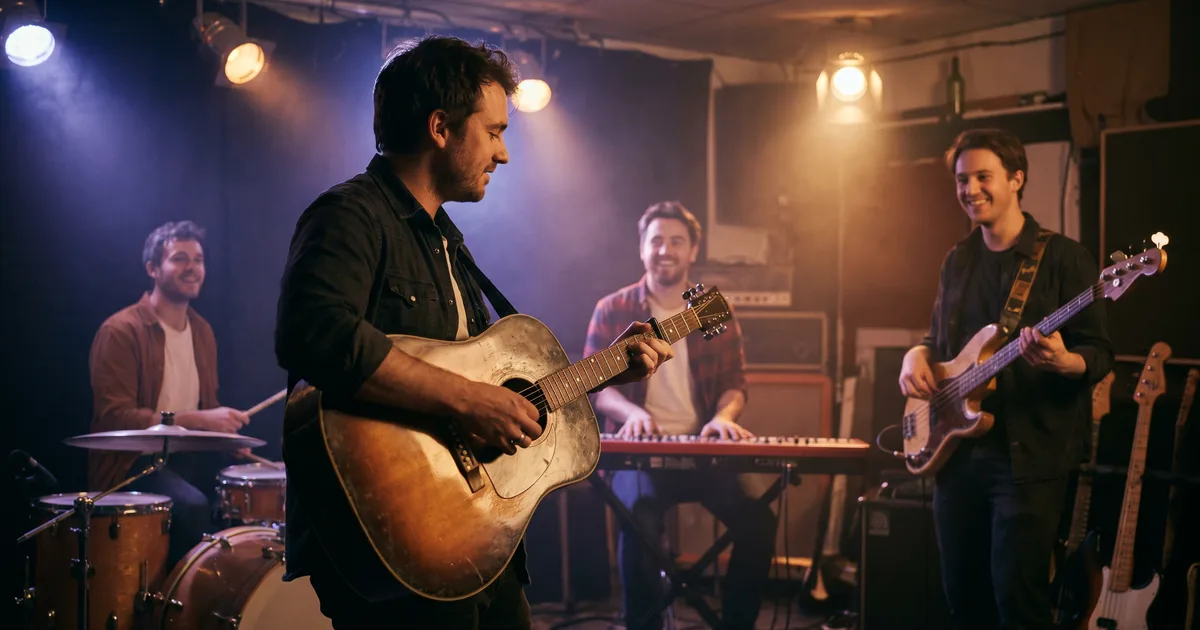
Finding the right band members can make or break your musical project, and I have seen both outcomes countless times. The right musician brings not just skill, but chemistry, commitment, and shared vision. The wrong one—no matter how talented—creates friction, missed rehearsals, and eventually dissolution. After helping bands navigate this process for years, I know what actually works: clarity before posts, screening before auditions, and written expectations before anyone is “in.”
Start with a role brief, not a vague “need a drummer”
Do not post until you can answer:
- Instrument + style (not just “guitar”—rhythm? lead? keys doubling?)
- Skill level and influences that matter
- Rehearsal cadence (nights/week, location, punctuality culture)
- Show volume (monthly gigs? touring? originals vs covers?)
- Money reality (split, door deals, practice room costs)
- Non-negotiables (no-shows policy, substance rules, gear ownership)
Vague ads attract vague candidates. Specific ads let the right people self-select and save you months.
Write the brief like a job post because that is what it is. Include genre, current lineup, goals for the next 12 months, and links to your music. Honesty about commitment filters hard—and that is a feature.
Where to actually find players in 2025
Cast a wide net, then prioritize quality signals.
Online
- Musician marketplaces and local Facebook groups
- Instagram/TikTok DMs to players whose live clips you respect
- Craigslist and local classifieds (still weirdly effective for local players)
- Bandmate’s own find members flow and public openings if you are hiring for a real project
In person (often better)
- Open mics, jam nights, local bills
- Rehearsal studios and music stores
- Music schools and community ensembles
- Other bands’ audiences and side-stage hangouts
The best bandmate I ever helped someone find met at a jam session, saw each other play live, and clicked immediately. Organic discovery often beats online noise because you already saw reliability and musicality in the wild.
Write a musician-wanted ad that works
Include:
- Band name + city
- Genre/influences (3–6 reference points)
- What you need (instrument, doubles, vocals)
- Commitment (rehearsals, shows, travel)
- What you offer (originals trajectory, paid gigs, recording plans)
- How to apply (video, links, short intro)
- Link to 2–3 tracks and one live clip if you have it
Avoid: “just looking for chill people to jam” if you actually want a touring original band. Mismatched expectations are the #1 slow failure mode.
Screen before you burn rehearsal time
Before any full audition:
- Ask about experience, availability, and why this project
- Request a short video of them playing something relevant
- Check references from previous bandmates when possible
- Notice communication quality (speed, clarity, attitude about past bands)
Red flags: chronic vagueness, disrespect for previous projects, inability to commit to a schedule, “I don’t need to learn your songs,” pressure to change the project before they have earned trust.
Trust early instincts. Awkward text chemistry rarely becomes magical stage chemistry.
Run auditions like professionals
Structure beats chaos:
- Send 3–5 songs (or charts) ahead of time
- Start with something easier so nerves settle
- Move into harder material and a groove test
- Try a quick improvisation or arrangement change to see adaptability
- Talk after: goals, logistics, money, timeline
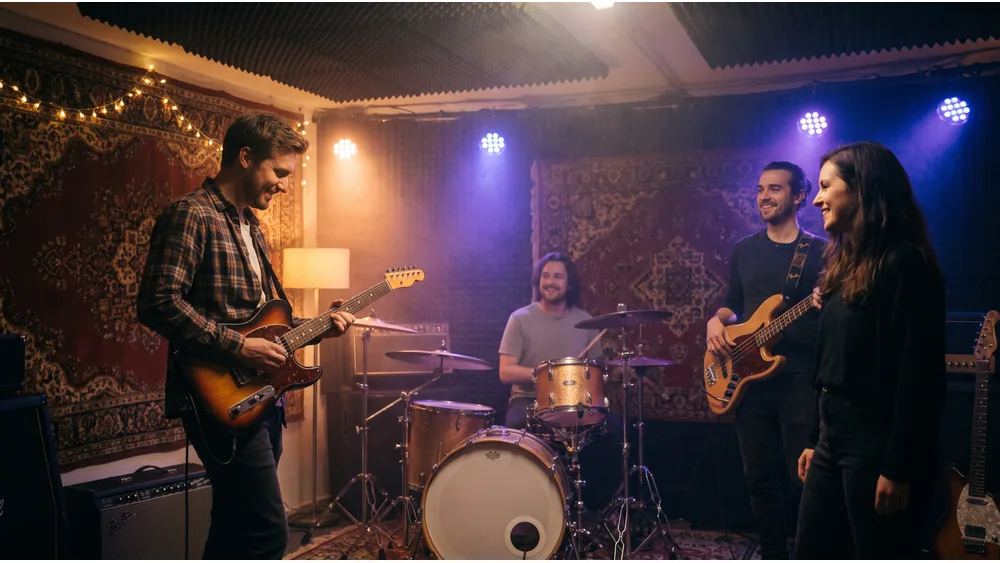
Watch more than chops. Do they take notes? Recover from mistakes? Listen in the pocket? Dominate or support? Chemistry shows up in how naturally you play and how the conversation feels afterward.
Evaluate the whole person, not just the solo
Technical skill is table stakes. Score candidates on:
| Factor | Why it matters |
|---|---|
| Reliability | Late players kill bands faster than weak solos |
| Musical fit | Style, dynamics, taste alignment |
| Communication | Conflict is inevitable; process matters |
| Ambition match | Touring vs local hobby mismatch ends poorly |
| Ego management | Can they serve the song and the group? |
| Logistics | Gear, transport, schedule, life stability |
The most talented musician who ghosts rehearsals will sink you faster than a slightly less flashy player who is locked in.
For interpersonal patterns that destroy groups, read toxic personalities in bands and conflict resolution for bands.
Make the offer clear (and use a trial period)
When you choose someone:
- Explain why you chose them
- Restate schedule, show goals, and financial split
- Put expectations in writing
- Use a 3–6 month trial before permanent membership language
A simple member agreement covers: split of income, gear, songwriting ownership, voting, rehearsal expectations, and what happens if someone leaves. See band contract template and music contract templates for starting points. Do not wait until money appears to invent rules.
Onboard like you want them to succeed
Integration is half the hire:
- Share shared drives, setlists, contacts, and brand assets
- Add them to calendars and communication channels on day one
- Give context on songs (who wrote what, live arrangement notes)
- Invite creative input early without abandoning leadership
- Schedule a 30-day check-in: musical fit + human fit
New members who feel like outsiders for months often leave—or worse, stay resentful.
Special cases
Replacing a founding member
Be transparent with fans later; be careful with narrative inside the band. Protect relationships where possible. Document who owns what IP before feelings harden.
Cover bands vs original projects
Cover projects often optimize reliability and vibe; original projects need creative alignment and long-horizon patience. Say which you are in the ad.
Remote / hybrid members
Possible for recording; hard for local live bands. Define travel expectations explicitly.
Systems that keep recruitment from becoming chaos
Tracking candidates, audition slots, shared materials, and decisions across texts is how good players fall through cracks. Centralize:
- Candidate list and status
- Audition calendar
- Shared repertoire
- Agreements and splits
Bandmate helps with the operational side so you can focus on musical fit. Public openings and musician discovery on Bandmate and post a listing are built for this exact problem. For ongoing collaboration hygiene after the hire, see centralize band communication and band relationships topic.
FAQ
How long should auditions take?
45–90 minutes is usually enough. Longer sessions often signal poor structure, not better evaluation.
Should we pay for auditions?
Not usually. If you require extensive prep or travel, be respectful of people’s time and clear about the opportunity.
What if two members disagree on a candidate?
Do not outvote chemistry. If the core group is split, keep looking—forced hires create factions.
How do we announce a new member?
After the trial starts well: short post, photo, link to music, and a clear “join us at the next show” CTA. Avoid airing internal drama.
The right band members are not just skilled players—they are people you will spend hundreds of hours with under stress. Choose for music and for character, then protect the relationship with clear systems.
Related guides

Founder of Bandmate ®, entrepreneur, and musician helping bands succeed in the modern music industry.
Essential Elements for a Successful Band Website
Your website is online real estate you own. Social platforms can throttle reach, change rules, or vanish from a scene’s habits. A good band site does one job extremely well: turn confused strangers into listeners, ticket buyers, and list subscribers without making them hunt.
Going Solo: Tips to Transition to Your Solo Act
Thinking about going solo? Maybe creative differences are pulling your band apart, or you want complete artistic control. After guiding artists through this transition, I can say it plainly: going solo is not a social-media bio edit. It is a legal, financial, operational, and identity rebuild. Done carefully, it frees you. Done sloppily, it freezes catalogs and burns relationships for years.
Subscribe to our newsletter
Get the latest news and updates.
No spam. Unsubscribe anytime.