How to Create an Effective Band Schedule in 2025
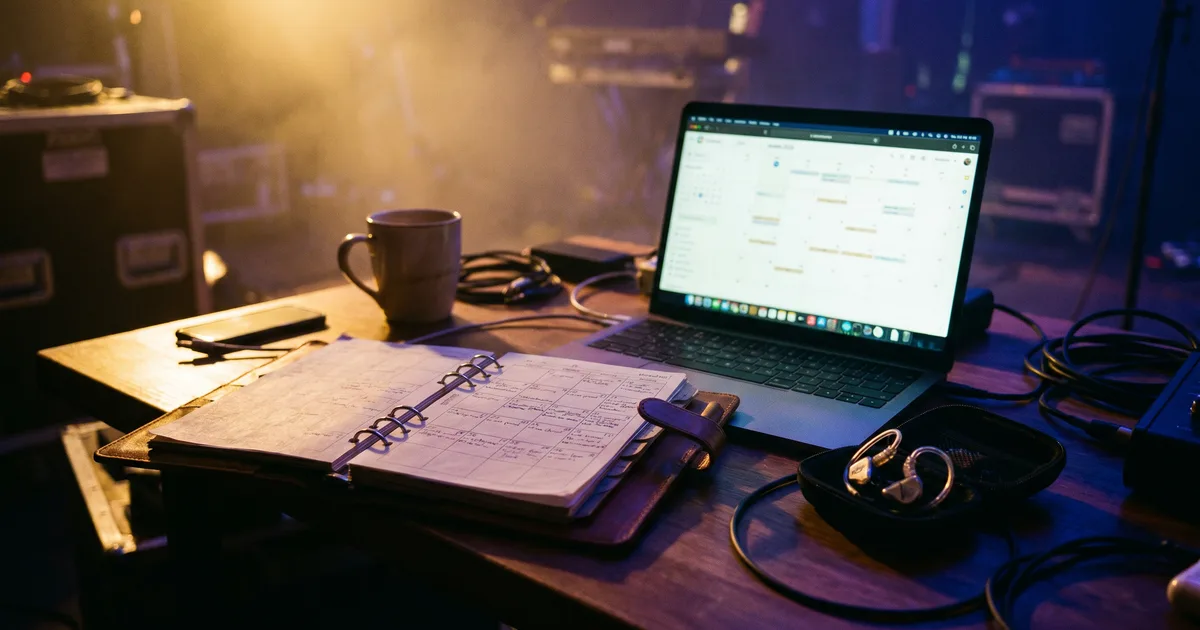
Scheduling kills more bands than any musical disagreement. After mediating countless conflicts about "nobody told me" and "I thought practice was Thursday," I've learned that bands without clear scheduling systems implode from preventable chaos while bands with solid scheduling processes just... keep functioning.
Use a shared digital calendar everyone actually checks—Google Calendar, band management software, literally anything that sends notifications to everyone's phones automatically. Group texts are terrible for scheduling because messages get buried instantly and not everyone sees them. Shared calendars with automatic reminders mean nobody has excuses about forgetting rehearsals or shows. Create separate calendar categories for rehearsals, gigs, recording sessions, and deadlines so people can see everything at a glance.
Establish consistent rehearsal schedules at the same time weekly instead of trying to coordinate fresh every week. "Every Tuesday 7-10pm" works infinitely better than "let me check my availability and get back to you." Consistency builds discipline and prevents the eternal scheduling negotiation that wastes hours in group discussions. If someone can't commit to regular rehearsals at a set time, they're not serious about the band—this revelation prevents bigger problems later when you're trying to coordinate tours.
Plan shows and commitments at least one month ahead whenever possible. Last-minute bookings happen, but constant scrambling means someone always has conflicts. Monthly planning meetings where you review the calendar together prevent surprise conflicts and "I didn't know about that show" disasters. Agree on how far ahead you'll commit to shows—some bands book six months out, others stay flexible with monthly windows. Whatever you choose, agree on it explicitly and hold each other accountable.
Build buffer time around major commitments instead of scheduling back-to-back constantly. If you have a show Saturday night, don't schedule studio time Saturday morning and a photo shoot Friday evening. Exhausted bands give mediocre performances. Strategic spacing prevents burnout and ensures you can actually deliver quality when it matters. The bands that last decades pace themselves deliberately—sprinters flame out fast.
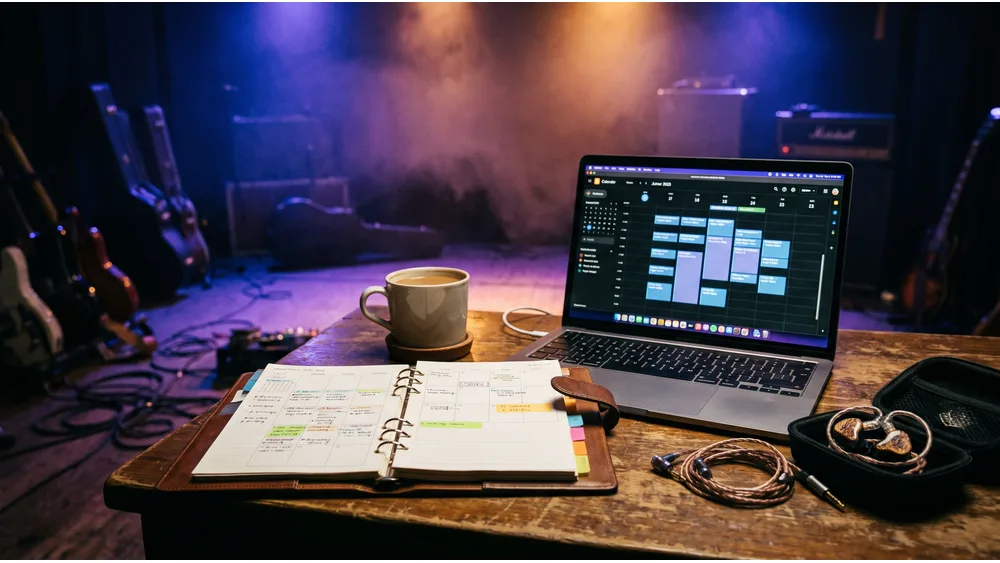
Track availability transparently so everyone knows who's free when before booking anything. Simple shared spreadsheets or scheduling tools where members mark known conflicts prevent the nightmare of booking shows then discovering your drummer has a wedding that weekend. Check availability before committing, not after. This single habit prevents 90% of scheduling conflicts I've witnessed.
Send reminders 48 hours before any event automatically. Even with shared calendars, life gets busy and people forget. Automated reminders ensure everyone shows up prepared and on time. The bands that function smoothly are the ones with systems that don't rely on memory—they have processes ensuring nothing falls through cracks.
Managing band scheduling—coordinating multiple calendars, tracking availability, sending reminders, documenting commitments, adjusting for conflicts, maintaining visibility for everyone—creates constant administrative work most bands handle through chaotic group texts and hope. Bandmate.co centralizes scheduling so everyone stays synchronized automatically instead of drowning in coordination overhead. Because you can have the most talented band in the world, but if you can't get everyone in the same room at the same time consistently, you'll never accomplish anything.

Founder of Bandmate ®, entrepreneur, and musician helping bands succeed in the modern music industry.
Cover Band vs Original Band: Which Path Fits You?
Musicians argue about cover bands versus original projects as if one is morally superior. In reality they are different businesses. Choosing wrong for your goals creates burnout; choosing clearly creates momentum.
Discovering Your Unique Sound as a Band: A Musical Journey
Here's the question every band eventually faces: what makes us sound like us? I've watched countless talented groups struggle with this, trying to force a signature sound instead of letting it emerge naturally. After years guiding bands through this discovery process, I've learned that finding your unique sound isn't about invention—it's about uncovering what's already there when the right elements align.
Subscribe to our newsletter
Get the latest news and updates.
No spam. Unsubscribe anytime.