Effective Band Communication: Tips for Success in 2025
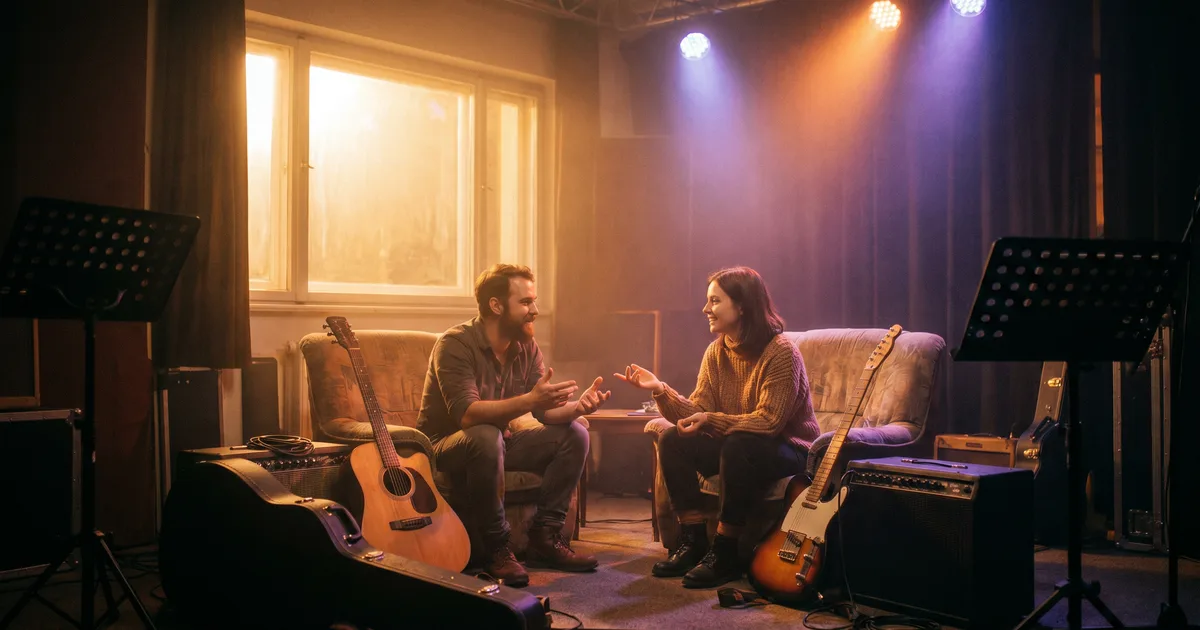
I've watched more talented bands implode over communication breakdowns than any other issue. Not creative differences, not money, not ego—just basic communication failures that snowballed into disasters. After years managing band dynamics, I can tell you with absolute certainty: your ability to communicate effectively determines whether you'll still be playing together in five years.
Here's what kills most bands: unspoken expectations. Someone thinks rehearsal starts at 7pm sharp, someone else thinks 7pm-ish is fine. Nobody discusses it directly, resentment builds, passive-aggressive comments start flying, and suddenly you're in a screaming match about punctuality that's really about six months of accumulated frustration. Sound familiar?
The bands that last decades establish communication systems early. Start with clear channels—don't scatter conversations across texts, emails, Instagram DMs, and random verbal exchanges. Pick primary tools and stick with them. I recommend a group chat for quick coordination, email for formal decisions and contracts, and regular video or in-person meetings for anything requiring real discussion. Document important decisions. "We agreed on this" means nothing when nobody can prove what "this" actually was.
Hold actual band meetings, even if it feels corporate and weird. Weekly or bi-weekly, consistent schedule, mandatory attendance. Have an agenda. Cover upcoming shows, creative updates, administrative tasks, concerns that need addressing. Rotate who facilitates and takes notes so nobody becomes the default "band manager" who resents everyone else. These meetings prevent the "nobody told me" situations that cause so much unnecessary drama.
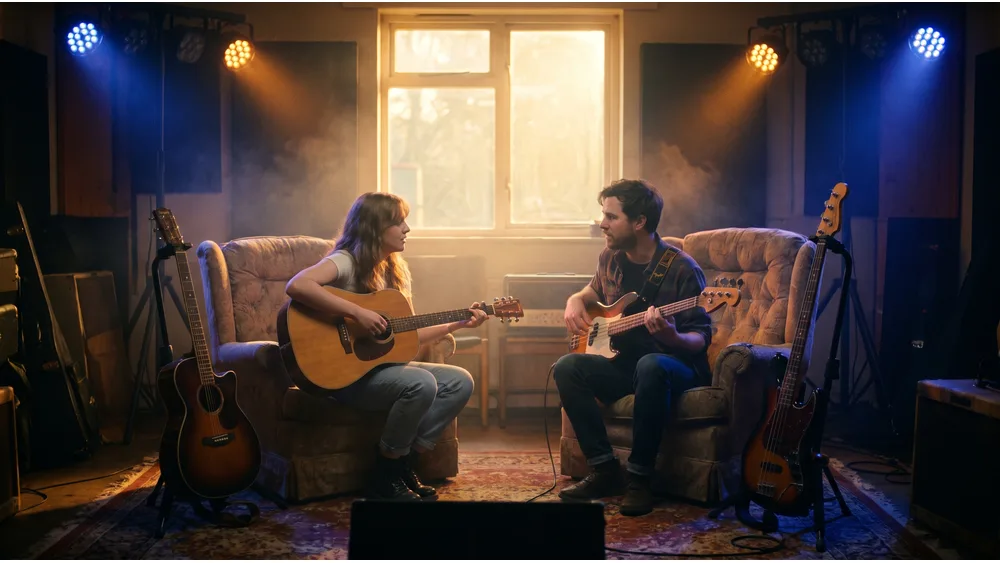
Create a decision-making framework before you need it. Which decisions require unanimous agreement? Which need just a majority vote? Who has authority over what? The time to figure this out is not when you're arguing about whether to take a tour that half the band hates. Write it down, get everyone to agree, refer back to it when conflicts arise.
Address issues immediately, not six months later when you're so angry you can barely function. "Hey, can we talk about rehearsal start times?" feels awkward, but it's infinitely better than the eventual explosion. Use "I" statements, focus on specific behaviors rather than character attacks, and actually listen when people respond. Most band conflicts I've mediated could have been prevented if someone had just said something when the problem was still small.
Managing these communication systems—tracking who said what, maintaining meeting notes, documenting decisions, coordinating schedules across multiple platforms—creates overwhelming administrative burden. Bandmate.co centralizes exactly this operational complexity so communication actually happens instead of getting lost in chaos. Because the most talented bands in the world still break up if they can't talk to each other effectively. Don't let poor communication destroy what you're building.

Founder of Bandmate ®, entrepreneur, and musician helping bands succeed in the modern music industry.
Band Booking Pipeline: How to Manage Gigs From Inquiry to Paid
A booking pipeline is the workflow that takes a gig from "venue said maybe" to "we got paid." Without one, bands juggle dozens of in-flight bookings in their head and text threads — and drop balls constantly. With one, every gig has a clear status, every conversation has a next step, and nothing gets lost between inquiry and payment. This is the difference between bands that book 30+ shows a year consistently and bands that book 5 shows and call it a year.
Band Contact Management App: How to Pick the Right One for Your Band
Choosing a band contact management app sounds like it should be simple. You have contacts, you need a place to store them, you pick an app. The reality is that the wrong app creates more friction than no app at all, and most bands churn through two or three options before landing on something that fits. Here's how to evaluate the options and pick one that will actually scale with your band's network.
Subscribe to our newsletter
Get the latest news and updates.
No spam. Unsubscribe anytime.


Bandmate® is the complete platform for musicians, bands, and venues to connect, collaborate, and grow. Find bandmates, discover venues, and build your music career with tools designed by musicians, for musicians.