5 Proven Strategies for Elevating Your Next Live Music Show
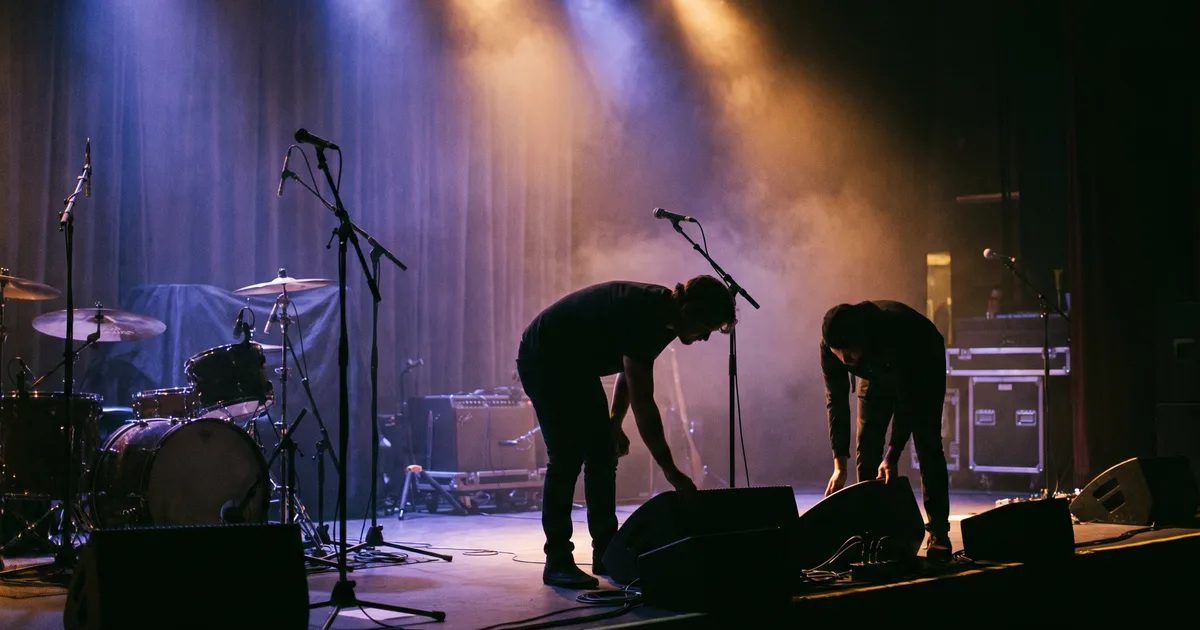
Want to turn your next live show from "just another gig" into an unforgettable experience? After years of managing live performances and helping bands perfect their stage craft, I have learned that great shows are engineered. Talent gets you on stage. Intention keeps people watching, tipping, and coming back.
These five strategies are the highest-leverage upgrades most working bands still skip.
1. Design the night as an energy arc
A set is not a playlist dump. It is a story with tension and release. Map:
- Open — confident identity song, minimal talking
- Establish — who you are, 2–3 songs
- First peak — a reaction track mid-early
- Valley — one intentional breath
- Climb — stronger material
- Climax / close — best songs last
Front-loading every hit is how rooms die at minute thirty. Deep framework: band setlist planning. For outdoor/festival constraints, tighten further with music festival booking realities.
Quick test
If you removed song titles and only labeled energy (high/mid/low), would the shape still look intentional? If it is flat or front-loaded, fix the order before you buy new pedals.
2. Rehearse the show, not only the songs
Bands rehearse chords until they are tight, then bleed energy between tunes: dead air, three people talking, mystery count-ins, cable archaeology. Audiences experience the entire set—including glue.
Rehearse like it is show day:
- Who talks, for how long, and when
- Changeovers and instrument swaps
- Failure modes (broken string, feedback, dead DI)
- A cold-room alternate opener
See organize band rehearsals and handling stage mishaps.
The silent killer: unowned transitions
If "someone" will introduce the next song, nobody will. Assign owners on the printed setlist.
3. Own the room before the first note
Great shows start at load-in. Be early. Be kind to door and sound. Bring a real stage plot. Soundcheck with goals ("vocal intelligibility," "kick not boom") not vibes. Guide: perfect soundcheck.
Also prep:
- Merch runner and float
- Settlement owner
- Who films the peak song
- Next-show CTA (city + date + URL)
Professionals reduce chaos so performance brain can stay free.
4. Engineer one signature moment
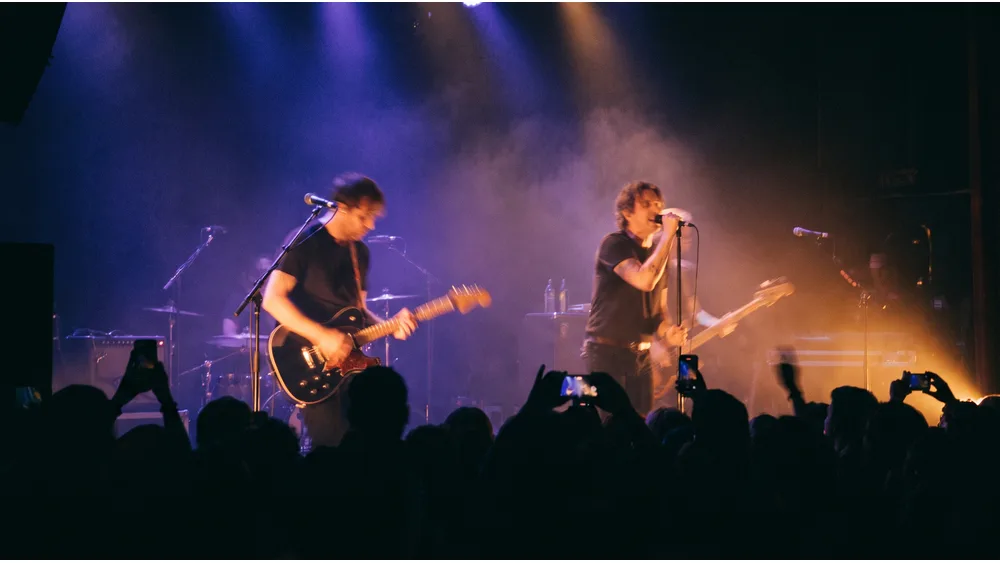
Legendary sets are remembered for a peak beat: sing-along, breakdown, mid-set acoustic, guest verse, lighting gag, call-and-response. You do not need a pyro budget. You need one rehearsed moment people can describe in a sentence.
Design it. Name it in rehearsal. Protect it in the setlist so it is not abandoned when nerves hit.
Ideas that scale to small rooms
- Teach a two-line chorus before the final chorus
- Drop to drums + vocal for 8 bars then explode
- Bring one fan onstage for a pre-planned cameo
- Flip a known cover into your arrangement as a mid-set jolt
5. Capture proof and follow up the same night
If the show is not documented, it cannot market the next one. Assign:
- Vertical video of the signature moment
- 5–10 photos for socials within 24 hours
- Thank-you text/email to buyer with a rebook seed
- Notes: what moved the room, what killed it
Store venue contacts properly—how to manage band contacts—so the relationship is not trapped in one member's phone. Ops layer: Bandmate.
Pre-show checklist (print this)
- Setlist locked + alts marked
- Transitions assigned
- Soundcheck goals written
- Signature moment confirmed
- Capture plan assigned
- Merch + settlement owners named
- Next-show CTA ready
- Emergency kit (cables, picks, strings, batteries, tape)
Common ways bands still blow a "good" show
- Ten minutes of tuning as the open
- Inside jokes on mic that exclude the room
- Playing new material the band barely knows for a cold crowd
- No water, no setlist copies, no plan when the PA is rough
- Fighting onstage (yes, people notice)
FAQ
How early should we lock the setlist?
At least one full rehearsal in that order. Changes on the day are fine only for room-reading swaps you already know how to execute.
What if attendance is low?
Play like it is full. Shorten chatter. Hit accessible material early. Energy is contagious in both directions.
Do covers help elevate a show?
Strategic covers can warm strangers. Ego covers of deep cuts rarely help cold rooms. Choose for impact.
How do we improve if we play the same room monthly?
Rotate 20–30% of the set, keep proven openers/closers, and track which songs move people. Residencies are laboratories.
Related guides
Founder of Bandmate ®, entrepreneur, and musician helping bands succeed in the modern music industry.
Subscribe to our newsletter
Get the latest news and updates.
No spam. Unsubscribe anytime.